Friday, 25 May 2018

Is Xanax as Narcotic?

[vc_row][vc_column][vc_cta h2="Help Is Only A Phone Call Away" txt_align="center" shape="round" style="flat" color="vista-blue" el_width="sm" use_custom_fonts_h2="true" use_custom_fonts_h4="true"]Call Now 855-227-9535[/vc_cta] Substance abuse often stems from a lack of knowledge over drugs and the effects of addiction. On this article, we will be talking about Xanax, also known as alprazolam. Being the single most prescribed psychiatric medication in the US, it’s no surprise that it also one of the most commonly misused substances. What exactly is Xanax? Is it considered a narcotic? How does it work? Is it a controlled substance? Is abuse treatment similar with victims of cocaine addiction? What are the effects of withdrawal from xanax? Let’s have a closer look.

Xanax: An Overview
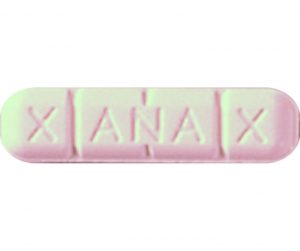
XanaxXanax is the brand name for a drug known as alprazolam. It is categorized as a benzodiazepine or BZD. It comes from the same family as diazepam (valium), lorazepam, and flurazepam. Xanax is used to treat panic disorders, as well as severe anxiety. It works by increasing the number of the neurotransmitter GABA in the brain. It affects the nervous system in a way that creates positive effects for a person's mental health. The substance promotes calmness, causing the person to feel relaxed. Taken correctly, this medication is safe and effective. Unfortunately, many people abuse this anti-anxiety medication because of the euphoric sensations that it provides. When abused, it can cause psychological dependence. This potent substance slows down brain activity, causing it to become unbalanced. This relieves tension—and it’s a feel-good experience that many people seek out for recreational purposes. For this reason, many people get addicted to Xanax despite its accepted medical functions.

Is Xanax as Narcotic?

Your doctor may have given you Xanax as a prescription medication against anxiety. And now you want to know if it is a narcotic. Truth is, Xanax is not a narcotic of either the legal or medical variety. In law enforcement, the definition of narcotics is broad, but it does not cover Xanax as it can be obtained legally via prescription from a licensed physician. Unlike heroin addiction, Xanax is actually more common despite its low potential for abuse, because of its accessibility. Prescription drug addiction, like teen drug abuse, is a major problem. Medically speaking, Xanax is not classified as a narcotic because it is neither an opiate nor an opioid. Only substances derived from the opium poppy plant are defined as narcotics. Opiates are natural derivatives of the poppy plant, while opioids refer to the synthetic and semi-synthetic variants. Medical narcotics are typically used for pain relief, particularly for patients suffering from chronic pain. Like Xanax, narcotics have a high potential for abuse. So despite their medical uses, these drugs can still be dangerous if taken at high doses or abused for long periods of time. Xanax is one of the substances involved in the rampant prescription drug abuse problem in the United States.

Xanax and Substance Abuse

Xanax is very commonly abused. In fact, it is nearly as popular as opiates among illicit users. Tolerance can build up quickly when you take Xanax, meaning you’ll soon require larger doses to receive the same effects. Addicted individuals will take very high doses frequently. Xanax abusers will typically display symptoms such as drowsiness, irritability, headache, blurred vision, and slurred speech. [maxbutton id="2" ] Commonly abused drugs can have severe adverse effects, and Xanax is no different. Taking large doses of this drug can lead to more serious adverse effects like depression, aggression, suicidal ideation, hallucinations, chest pain, and seizures. These are the symptoms of Xanax addiction. A person who has developed physical dependence on Xanax will experience severe withdrawal and intense cravings whenever they try to quit the drug. They will have to discontinue usage within a supervised environment. It is possible to recover from Xanax addiction through drug rehab. A combination of medical detox and behavioral therapy may be necessary to thwart the effects of addiction. Every treatment center has a different approach when it comes to dealing with withdrawal symptoms and other effects of drug addiction. It’s going to be a long and difficult process—but it is all worth it in the end. There are various treatment therapies for those who want to stop taking xanax and alcohol--and all other substances. Look for a detox center near you today and find out how addiction treatment works for Xanax users! https://www.rehabnear.me/
Is Xanax as Narcotic? See more on: www.rehabnear.me


from
https://www.rehabnear.me/xanax-a-kind-of-narcotic/

Uh Oh- Apparently Now Bacon, Sausage or Alcohol is Not Good For You In Any Amounts??

Since this is an addiction treatment website, we highly encourage people to get sober if you are addicted to alcohol. For those of you who are not addicted to alcohol, it might be time to consider giving it up completely. 

But wait now we have to give up bacon and sausage too? What am I supposed to do about my favorite McDonalds Breakfast sandwiches?

For those going through rehab and detox, it might come as no surprise that what you put into your body, you get out in performance. So eating clean, and healthy is super important when you are getting sober and staying sober. 

Not sure about getting rid of bacon and sausage completely but read the rest of the article from its original source below. 


A new set of health guidelines, released by the World Cancer Research Fund (WCRF) says that people can reduce their risk of cancer about 40% by completely eliminating alcohol, bacon, sausage, fatty meats, and beer from their diets.

The recommendations are part of a "ten point plan" that the WCRF says can help nearly halve your chances of getting cancer — though their guidelines may put a significant dent in your quality of life.


Source

http://dailywire.com/news/31062/outrage-new-health-guidelines-say-no-amount-emily-zanotti

Uh Oh- Apparently Now Bacon, Sausage or Alcohol is Not Good For You In Any Amounts?? is republished from Rehab Near Me


from
https://www.rehabnear.me/uh-oh-apparently-now-bacon-sausage-or-alcohol-is-not-good-for-you-in-any-amounts/

Wednesday, 23 May 2018

Is Ambien a Narcotic?

[vc_row][vc_column][vc_cta h2="Help Is Only A Phone Call Away" txt_align="center" shape="round" style="flat" color="vista-blue" el_width="sm" use_custom_fonts_h2="true" use_custom_fonts_h4="true"]Call Now 855-227-9535[/vc_cta] Nowadays, it’s getting harder and harder to tell which drugs are narcotics, and which ones are not. The term gets thrown around very often, after all. But fighting addiction involves a great deal of knowledge. And answering simple questions like “is Ambien a narcotic?” can go a long way in keeping people away from the path of substance abuse So is Ambien really a narcotic? Let’s find out. But first, let’s have a brief look at the drug in question.

Ambien: An Overview

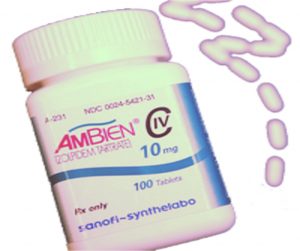
Ambien a NarcoticAmbien is a prescription drug that is given to patients who have various sleep disorders. People who are struggling to fall asleep or stay asleep may be given Ambien, which has zolpidem as its main active ingredient. Zolpidem belongs to the sedative-hypnotics drug class. Patients who have insomnia often rely on this drug to help them fall asleep. This prevents them from experiencing fatigue during the day, and allows them to perform their usual functions with ease. It also allows them to enjoy regular sleeping patterns. Unfortunately, people who are reliant on Ambien may eventually become dependent on the drug. The patient may build a tolerance, meaning the effects of the substance may diminish. They will then require a larger dosage just to feel the same hypnotic effects. Ambien is known to induce a relaxed state in their users, regardless of whether it is taken for medical purposes or taken recreationally.

Is Ambien a Narcotic?

Ambien is not a narcotic drug. It is classified as a depressant. Other common drugs that fall under this category are Librium, Valium, and Xanax. It’s interesting to note that alcohol is also widely considered a sedative because of how it induces drowsiness. In medical terms, a narcotic is an opioid painkiller. These are prescription medications that help provide pain relief, particularly for people struggling with moderate to severe pain. Ambien is not used in this manner. Opioids are synthetic and semi-synthetic derivatives of the opium poppy plant. Natural derivatives are called opiates. “Narcotics” is just another term for opiates and opioids. [maxbutton id="2" ] These drugs are available via prescription, but it is illegal to misuse them or take them recreationally. There is another widely used definition for the word “narcotic”, and it is prominently used in law enforcement. They describe narcotics as any drug that can dull the senses. So if we use this definition, then Ambien can fit into it. In law enforcement, narcotics are drugs that cannot be legally possessed, sold, or transported except for medicinal uses. It may only be accessed with a prescription from a licensed physician.

Ambien and Substance Abuse

Despite its medical uses, Ambien can be dangerous when abused. And this drug is commonly misused because of its relaxing effects. People take it recreationally by consuming large doses, or simply taking the medication for longer than they are supposed to. Some people even mix the drug with other prescription drugs, creating a more potent substance (that’s also more dangerous). Ambien is addictive. So even if its status as a narcotic is complicated, one thing is clear: you should not take this for recreational purposes. omeone who is addicted to Ambien, look for a rehab center near you today and help them get on the path towards recovery. https://www.rehabnear.me/

Is Ambien a Narcotic? Find more on: RehabNear.me


from
https://www.rehabnear.me/ambien-a-kind-of-narcotic/

Is Cocaine a Narcotic?

  Navigation:

  [vc_row][vc_column][vc_cta h2="Help Is Only A Phone Call Away" txt_align="center" shape="round" style="flat" color="vista-blue" el_width="sm" use_custom_fonts_h2="true" use_custom_fonts_h4="true"]Call Now 855-227-9535[/vc_cta] The word “narcotics” has been thrown around so often that people have already gotten confused over which drugs are actually classified as such. Is cocaine a narcotic? Understanding these drugs can go a long way in our fight against addiction—and learning how to properly classify them is important. And so today we are going to discuss cocaine and whether or not it is a narcotic. But first, let’s have a quick look at what cocaine is.

Cocaine: An Overview

Cocaine a NarcoticCocaine is a powerful stimulant drug that’s taken from coca leaves. Today it is a Schedule II drug, meaning it has a high potential for abuse. However, being a Schedule II drug also means it can sometimes be administered by a doctor for legitimate medical purposes. It can be used as local anesthesia for certain operations. However, cocaine is also a widely abused street drug. It is sold as a fine, white, crystalline powder. It goes by many street names such as coke, snow, powder, and blow.

Is it a Narcotic?

Just like many other drugs, the answer could be both yes and no—it depends on what definition of “narcotic” you are using. Under legal terms, narcotics are drugs that dull the senses, which means cocaine falls comfortably into that category. In law enforcement, narcotics also refer to drugs that cannot be legally possessed, sold, or transported, except for medicinal uses. It may only be accessed with a prescription from a licensed physician. This means yes, cocaine is definitely a narcotic in the US. However, medically speaking, there’s another definition for the word narcotic, and cocaine doesn’t technically fit into it. Cocaine is not considered a medical narcotic (despite its medical uses). That is because it is not an opioid pain reliever—which is the actual definition of a medical narcotic. Opioids are prescription medications that change the way the brain perceives pain. They refer to the synthetic and semi-synthetic derivatives of the opium poppy plant. And cocaine is taken from coca leaves. Opioids are used to provide pain relief, especially for patients experiencing moderate to severe pain. They work by binding to the so-called opioid receptors in the brain, which blocks the feeling of pain. Just like cocaine, they need to be used carefully as opioids are also addictive when misused.

Substance Abuse

Cocaine is highly addictive. The substance is very potent and has a rapid onset, meaning its effects can take hold of a person very quickly. Just likely other illicit drugs, cocaine may produce a euphoric high when taken in large doses, which is why people are likely to abuse it. [maxbutton id="3" ] Despite its limited medical uses, cocaine can still be very dangerous. And so a patient needs to work closely with his or her doctor to make sure the drug is not misused. Recreational cocaine users are likely to take large doses of the drug at a time, and are therefore prone to experiencing its many adverse effects. Long term abuse may lead to addiction, tolerance, and physical dependence. If you know someone who is abusing cocaine, help them get sober. Look for a rehab facility near you today and help them get on the path towards recovery. https://www.rehabnear.me/

Is Cocaine a Narcotic? Find more on: https://www.rehabnear.me/


from
https://www.rehabnear.me/is-cocaine-a-kind-of-narcotic/

Monday, 21 May 2018

Is Marijuana a Narcotic?

  Navigation:

[vc_row][vc_column][vc_cta h2="Help Is Only A Phone Call Away" txt_align="center" shape="round" style="flat" color="vista-blue" el_width="sm" use_custom_fonts_h2="true" use_custom_fonts_h4="true"]Call Now 855-227-9535[/vc_cta] Marijuana—also known as weed, pot, grass, herb, and even Mary Jane—is a mixture of dried flowers of Cannabis sativa. Popular among recreational users, it is commonly smoked in hand-rolled cigarettes called joints. Some people use bongs (a water pipe) and blunts (weed wrapped in cigar wraps). Others brew it into tea, or create “edibles” by mixing it into their food—commonly brownies. marijuana Marijuana contains a mind-altering chemical that’s responsible for the intoxicating high that recreational users seek. This psychoactive chemical is called delta-9-tetrahydrocannabinol (THC). Other than that, marijuana contains more than 500 other chemicals. This drug is the most commonly used illicit drug, according to the 2015 National Survey on Drug Use and Health. In fact, 22.2 million people have actively used the drug in the past month, according to this survey. Usage is more prevalent among men than women. Despite all these facts that we know about marijuana, there are still a number of things people wonder about. For example: is marijuana a narcotic? Learning what a narcotic is can help us get a deeper understanding of substance abuse and addiction. Let’s take a closer look at this particular substance.

Is Marijuana a Narcotic?

The answer is a yes and a no. It really depends on how you use the word “narcotic”. In law enforcement, narcotics refer to all illicit drugs, regardless of what type of substance it is. So depending on whether marijuana is legal in your state or not, it may be a narcotic. This usage of the term has led to the stigma that all narcotics are bad or illegal—when there’s reason to acknowledge that it’s not. The legal system classifies all illegal drugs as narcotics. On the other hand, the medical field has a more specific definition. Narcotics actually refer to opiates and opioids—substances that are derived from the opium poppy plant. These are used as prescription painkillers, given to patients who are suffering from moderate to severe pain. It can help with traumatic pain, post-surgical pain, and cancer pain. If we follow this definition, then marijuana is technically not a narcotic. It’s not an opioid, although it has similar properties that relax the mind and body. Although there is such a thing as medical marijuana, it is not widely prescribed by physicians like opioids are. Opioids and opiates are legal, provided that they are prescribed by a physician and used by the patient properly. Abusing and misusing these drugs are still illegal. But because of the accessibility of these prescription narcotics, they are prone to being abused. They are certainly easier to obtain than illegal drugs like heroin. [maxbutton id="3" ] If we look at the etymology of the word “narcotic,” we’ll see that it is taken from the Greek word “narkos” which means sleep. Therefore, drugs that induce sleep are considered narcotics. This introduces yet another way to categorize marijuana. Marijuana does have a tendency to induce sleep at times. It’s just like alcohol. However, this does not make it a narcotic. If someone you know is struggling with marijuana abuse, you should know that it’s possible for them to get better. A combination of medical detox and behavioral therapy can help them get sober again. And learning all about the substances that are commonly abused is the first step towards addiction recovery, so you’ll be better prepared to support them through their journey. Look for a rehab facility near you today! https://www.rehabnear.me/

The above post Is Marijuana a Narcotic? is available on https://www.rehabnear.me/


from
https://www.rehabnear.me/marijuana-narcotic/

Wednesday, 16 May 2018

What is a Narcotic?

There’s a stigma that’s associated with the word ‘narcotic’ because of how it is used in law enforcement. The word commonly refers to any illegal drug, regardless of type. That’s why when we hear the word ‘narcotics’ we immediately think “that’s illegal”. But that’s not really accurate. In the medical field, narcotics have a specific definition—and these drugs are not always harmful. Understanding what these drugs are can help us avoid addiction and substance abuse. Let’s have a closer look.  

What are Narcotics?

What is a NarcoticNarcotics are also known as opiates, opioids, and analgesics. Some of those terms certainly sound illegal if you don’t know about them. But these are all just painkilling medications. These prescription painkillers are used to treat moderate to severe pain. This means narcotics are helpful for those who are suffering from cancer pain, post-surgical pain, and traumatic pain. Unlike how it is used in law enforcement, this term actually refers to medications that are prescribed by doctors worldwide. They work by attaching to certain receptors on nerves in the brain in order to increase our pain threshold. It increases the amount of stimulation it takes for us to feel pain. By reducing the perception of pain, the patient’s discomfort is easily relieved. It can lessen and remove pain entirely, hence the term ‘painkiller’. Unfortunately, there’s a reason behind the stigma. As useful as they are, narcotics have a high potential for abuse. That's why they are often associated with drug addiction and drug abuse rather than pain management and mental health. We will discuss that further later on. But the takeaway here is that these drugs are beneficial if used properly.

Examples of Narcotics

Here are a few examples of narcotic analgesics, for your reference: codeine, hydrocodone, oxycodone, methadone, hydromorphone, morphine, and Fentanyl. Variants and other formulations exist as well. For example, oxycodone is available as a time release medication called OxyContin. All of these pain medications are currently available in the US. Prescription drugs like codeine, oxycodone, hydromorphone, and methadone are all available as immediate-release tablets. Oxycodone and morphine are both available as extended-release tablets. Meanwhile, morphine and hydrocodone are both available in extended-release capsule form. That means they are not illegal per se—but can be obtained with a prescription from a licensed physician.

Abuse of Narcotics

The fact that it is available via prescription makes it much easier for illicit users to take narcotics recreationally. This is part of the reason why narcotics have such a bad reputation despite their benefits. Opiates and opioids are abused because of the high they produce. Aside from relieving pain, these narcotics also produce a euphoric sensation—this is what makes them addictive. If your doctor ever prescribes any of these painkillers, be sure to follow the prescription carefully. Do not take larger doses of these opioid analgesics even if you accidentally miss a previous dosage. [maxbutton id="3" ] If you experience any side effects, tell your doctor about it. Narcotics are habit-forming and very potent despite their effectiveness against chronic pain, so even if you take them in pharmaceutical doses, you might encounter some side effects. Common side effects of narcotics include constipation, sedation, nausea, dizziness, itching, vomiting, headaches, and dry mouth. Of course, abusing narcotics is illegal, even if obtained via prescription. It will also lead to worse adverse effects such as respiratory depression, chest pain, cardiac arrest, and even death. Overdose can be fatal. And long term abuse can lead to physical dependence and addiction, along with all the risks mentioned above. Despite the difficulty of struggling with addiction, it is still possible to get better and live a sober life. There are many treatment options available for all kinds of abused drugs. Look for a rehab center near you today and find out how narcotic addiction can be treated. It may take a long period of time before you can recover from opioid addiction, but it's better than always being at risk of drug overdose. https://www.rehabnear.me/

The above article What is a Narcotic? is courtesy of www.rehabnear.me


from
https://www.rehabnear.me/defining-narcotic/

Drug Abuse and the Bible: What Verses Talk about Addiction?

  Navigation:

  [vc_row][vc_column][vc_cta h2="Help Is Only A Phone Call Away" txt_align="center" shape="round" style="flat" color="vista-blue" el_width="sm" use_custom_fonts_h2="true" use_custom_fonts_h4="true"]Call Now 855-227-9535[/vc_cta] Our lives are filled with all sorts of temptations. How we deal with them is entirely based on our beliefs, our willpower, and—in the case of addiction and substance abuse—our environment and genetics. And while addicted individuals barely have control over their drug intake, many people can turn to their faith for strength and guidance. For Christians, the Bible can provide the answers to their concerns. Need encouragement and strength? You can rely on God’s words. Whether the addiction involves drugs or alcohol, you can seek sound advice from these Bible verses we’ve compiled. Not only will these inspire you to abstain from vices and addictive habits, they will also encourage you to seek the treatment you need in order to recover. These are great for those who are currently in drug rehab, still dealing with drug addiction, struggling with mental health issues, and trying to live upright and godly lives. We even arranged these verses by topic for your convenience! Here are some of the best bible verses about addiction.

What the Bible Says About Addiction

Drug Abuse and the Bible From these verses we can tell that the Bible recognizes us as flawed human beings. It is understandable that some of us may fall into temptation every now and then. But of course, this does not make the actions excusable. Matthew 26:41 “Watch and pray so that you will not fall into temptation. The spirit is willing, but the flesh is weak.” 1 John 2:16 “For everything in the world—the lust of the flesh, the lust of the eyes, and the pride of life—comes not from the Father but from the world.”

What the Bible Says About Alcoholism

In the early days, drugs weren’t as common as they are today. Most addictive substances haven’t even been introduced yet. But alcohol has always been a big problem—and the Bible does say a lot about it. Proverbs 20:1 “Wine is a mocker, strong drink is raging: and whosoever is deceived thereby is not wise.” Isaiah 5:11 “Woe unto them that rise up early in the morning, that they may follow strong drink; that continue until night, till wine inflame them!” Ephesians 5:18-20 “And be not drunk with wine, wherein is excess; but be filled with the Spirit. Speaking to yourselves in psalms and hymns and spiritual songs, singing and making melody in your heart to the Lord; Giving thanks always for all things unto God and the Father in the name of our Lord Jesus Christ;”

Bible Verses that Encourage Addiction Treatment

You’ll find that many Bible verses give encouragement for those who are struggling with any type of addiction. It reminds us to be strong despite our own shortcomings. Many types of addiction can feel like some sort of "testing of your faith". But despite our flaws, we can overcome the temptations that plague us. Romans 5:3-5 “Not only so, but we also glory in our sufferings, because we know that suffering produces perseverance; perseverance, character; and character, hope. And hope does not put us to shame, because God’s love has been poured out into our hearts through the Holy Spirit, who has been given to us.” 1 Corinthians 10:13 “There hath no temptation taken you but such as is common to man: but God is faithful, who will not suffer you to be tempted above that ye are able; but will with the temptation also make a way to escape, that ye may be able to bear it.” James 1:2-3 “Consider it pure joy, my brothers and sisters, whenever you face trials of many kinds, 3 because you know that the testing of your faith produces perseverance.”

Finding Strength in the Lord

2 Corinthians 5:17 “Therefore if any man be in Christ, he is a new creature: old things are passed away; behold, all things are become new.” Titus 2:11-14 “For the grace of God that bringeth salvation hath appeared to all men, Teaching us that, denying ungodliness and worldly lusts, we should live soberly, righteously, and godly, in this present world; Looking for that blessed hope, and the glorious appearing of the great God and our Saviour Jesus Christ; Who gave himself for us, that he might redeem us from all iniquity, and purify unto himself a peculiar people, zealous of good works.” [maxbutton id="2" ] James 4:7 “Submit yourselves therefore to God. Resist the devil, and he will flee from you.” 1 Peter 5:10 “And the God of all grace, who called you to his eternal glory in Christ, after you have suffered a little while, will himself restore you and make you strong, firm and steadfast.” Hebrews 4:15-16 “For we do not have a high priest who is unable to empathize with our weaknesses, but we have one who has been tempted in every way, just as we are—yet he did not sin. Let us then approach God’s throne of grace with confidence, so that we may receive mercy and find grace to help us in our time of need.” Philippians 4:13 “I can do all this through him who gives me strength.” https://www.rehabnear.me/

Drug Abuse and the Bible: What Verses Talk about Addiction? was originally published on https://www.rehabnear.me/


from
https://www.rehabnear.me/drug-abuse-and-the-bible/