Thursday, 8 November 2018

Can You Cut a Fentanyl Patch in Half?

  Navigation:

  [vc_row][vc_column][vc_cta h2="Help Is Only A Phone Call Away" txt_align="center" shape="round" style="flat" color="vista-blue" el_width="sm" use_custom_fonts_h2="true" use_custom_fonts_h4="true"]Call Now 855-227-9535[/vc_cta] Fentanyl, as many of you may already know, is a very potent opioid medication. It is prescribed for the treatment of severe pain. Patients who are struggling with cancer pain, post-surgical pain, and traumatic pain may be given Fentanyl to help them block the pain. This medication is often administered orally, but it also comes in a transdermal patch form. As a transdermal patch, Fentanyl is absorbed through the skin in order to take effect. Fentanyl patches come with a certain dosage of the drug. So some people theorize that if you cut a Fentanyl patch in half, you will get half the set dosage. But is this true? And is it safe to do? Let’s take a closer look.

Cutting a Fentanyl Patch May be Dangerous
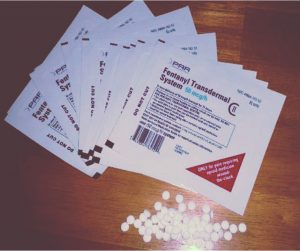
Cutting_Fentanyl_PatchesThere was a case reported to the Institute for Safe Medication Practices (ISMP) wherein a physician instructed staff from a hospice health care agency to cut a 50 mcg/h Fentanyl transdermal patch in half and apply it to a patient. On paper, this should give them 25 mcg/h of Fentanyl. But soon after, a visiting nurse discovered the cut patch and immediately removed it, understanding the risk of an overdose with this practice. Although the patient suffered from no adverse effects, there have been cases wherein cut Fentanyl patches led to serious harm including death. Although the intention is simply to get a lower dosage, cutting Fentanyl patches in half can actually put someone at risk of an overdose. If in doubt, ask for a Fentanyl patch with the right dosage based on what your doctor prescribed. The reason for this risk is the fact that there are many different types of transdermal patches, and they may work differently from one another.

The Types of Transdermal Fentanyl Patches

Not all transdermal drug delivery systems are the same. In the United States, several types exist according to the American Journal of Health-System Pharmacy. Reservoir membrane-modulated systems are transdermal patches that put the drug in a reservoir between an impermeable backing layer and a rate-controlling microporous membrane. This means that the patch itself controls how much Fentanyl is released at a time. Cutting the patch destroys this reservoir, causing the entire dose to be available immediately. The drug will be absorbed quickly into the skin, causing an overdose. Duragesic is a popular example of this, and one that is commonly prescribed. Microreservoir systems contain multiple, smaller drug reservoirs that in turn contain the drug. Again, cutting the patch will destroy these reservoirs, and there is no guarantee that they will remain proportionate to the surface area of the patch. There’s no way to guarantee that the amount of Fentanyl in each half is equal. Adhesive layer systems involve mixing the drug homogeneously with a polymer-based adhesive that is applied to an impermeable backing. This transdermal patch contains an amount of Fentanyl that is directly proportional to the surface area of the patch. This means it can be cut to decrease the amount of drug delivered without presenting a hazard. The same can be said for matrix systems wherein the patch contains evenly distributed amounts of the drug. Cutting the patch is possible, but it may reduce the efficacy of the adhesive itself. [maxbutton id="2" ] One way to know which type of transdermal patch you were given is by checking the product label. You can also ask your doctor if you have any concerns or questions. Fentanyl is safe and helpful when taken correctly. But if it is misused or if it is taken recreationally, it can cause serious harm. People can easily get addicted to this potent opioid, so it is important to be safe. If you know someone who is addicted to Fentanyl or any other drug, look for an addiction treatment facility near you and find out which program is best for your loved one. https://www.rehabnear.me/

Can You Cut a Fentanyl Patch in Half? See more on: https://www.rehabnear.me/


from
https://www.rehabnear.me/cutting-fentanyl-patch-in-half/

Wednesday, 7 November 2018

Fighting Addiction with Medication-Assisted Therapy

Today, more people are needing help to be treated for their drug addiction. The number of drug users has been consistently on the rise and this has been affecting society as a whole. So many crimes are caused by drug addiction and drugs have always been one of the major causes of the bigger problems in this world. There are has been so many ways that government officials or even private sectors have tried to implement to solve this problem, in addition to the availability of addiction treatment centers. Medication-Assisted TherapyIn Wilkes-Barre, they are fighting addiction with medication-assisted therapy. As the number of people addicted to opioids grows, so does the number of clinics offering medication-assisted therapy to treat it. Some examples of that would be methadone or suboxone, to name a few. Medication-assisted treatment has its critics, but we spoke with one former drug addict who says it saved her life. Click here for more information. Shauna Thomas lives in Bloomsburg. She's 38, has two sons, and runs a catering business. She knows many people have no idea about her past struggles with drug addiction, starting when she was 19. "I was just with friends one day and they're like, 'Try this,' and I did, and I liked it. (It was) heroin," Thomas recalled. What followed was years of rehabs and relapses. At one point, her family threatened to turn her over to the police. Then, at 24, Shauna got pregnant. "Making self-destructive decisions for myself was one thing, but to put that on someone else? I couldn't do that." That baby was born full-term and perfectly healthy...
The previous post Fighting Addiction with Medication-Assisted Therapy is courtesy of https://www.rehabnear.me/


from
https://www.rehabnear.me/fighting-addiction-with-medication-assisted-therapy/

Is Fentanyl Stronger than Oxycodone: A Side by Side Comparison

  Navigation:

  [vc_row][vc_column][vc_cta h2="Help Is Only A Phone Call Away" txt_align="center" shape="round" style="flat" color="vista-blue" el_width="sm" use_custom_fonts_h2="true" use_custom_fonts_h4="true"]Call Now 855-227-9535[/vc_cta] Fentanyl and oxycodone are both classified as narcotic medications. This is because both drugs are developed from the opium poppy plant. It means that these two substances are in the same class of drugs as heroin, morphine, codeine, and many other addictive drugs. Primarily used for pain relief, Fentanyl and oxycodone are similar in many aspects. But where do the similarities end? How different are they from one another? And is it true that Fentanyl is stronger than oxycodone? Let’s have a closer look.

The Similarities

Fentanyl_drugsFirst, let’s talk about why these two are being compared in the first place. Aside from being narcotics, there are other factors that make Fentanyl and oxycodone quite similar. Both of these drugs act on and facilitate the actions of specific neurotransmitters in the brain that are involved in controlling pain. Both drugs are also well-known and widely used in the medical field. Fentanyl and oxycodone are also classified as Schedule II controlled substances by the United States Drug Enforcement Administration or DEA. This means they have recognized medical uses, but they also have a high potential for abuse. While both drugs are helpful when taken properly, they can cause addiction if they are taken in large doses. It is also possible to develop a physical dependence on Fentanyl and oxycodone. These drugs can only be obtained legally with a prescription from a physician.

How are they Different?

There are major differences that set these two drugs apart. The most obvious one is in their relative “strengths” or potency. Fentanyl is by far the most potent out of all opioid drugs. It is around 100 times more potent than morphine, and so the risk of an overdose is higher if someone takes this recreationally. Fentanyl is, therefore, stronger than oxycodone and will create more intense pain-killing effects. Fentanyl is primarily used as a general anesthetic. On the other hand, oxycodone is more likely to be used as an acute pain medication. Fentanyl is also available in transdermal patches. This is given to patients who are experiencing chronic pain. Transdermal patches are applied to the skin. They are prescribed for post-surgical pain, cancer pain, traumatic pain, etc. These patches are often used as a last resort treatment for chronic pain, given only when other narcotics have proven ineffective in fully controlling pain. Oxycodone is typically taken orally. You cannot do this with Fentanyl patches because it will cause a fatal overdose. There are oral forms of Fentanyl for those who need it. When not in transdermal patch form, Fentanyl is administered orally as a dissolvable lozenge. It has a quicker onset of action compared to oxycodone, which is typically administered in pill form. Effects of Fentanyl are felt very quickly, almost immediately. Oxycodone may take up to an hour before effects are felt. [maxbutton id="3" ]

Addiction Treatment for Fentanyl and Oxycodone

While both medications have their uses, they can be potentially dangerous, especially if someone abuses them. If you or someone you love is abusing Fentanyl, oxycodone, or any prescription medication, look for a drug rehab facility nearby. Trained medical professionals could guide the addicted individual through the process of detox so that they could cleanse their body and get rid of the effects of narcotics. Behavioral therapy may also be used to deal with the root cause of addictive behavior. A comprehensive treatment plan may be necessary to help the patient get back to living a sober life. https://www.rehabnear.me/

Is Fentanyl Stronger than Oxycodone: A Side by Side Comparison is republished from Rehab Near Me


from
https://www.rehabnear.me/fentanyl-and-oxycodone/

Tuesday, 6 November 2018

Tucson Police launch new initiative to help with drug addiction

In many parts of the United States and the world, drug addiction is one of the most rampant problems that until now seems to be very difficult to solve. So many people use drugs, even the young ones and there are those who overdose which lead to their death. At the same time, different kinds of crimes are being committed as a result of drug use. This has led the police and other government officials to work harder and put an end to the problem, as well as the rise of addiction treatment centers. offering help to drug usersIn Tucson, the Tucson Police Department is taking a very sad overdose situation that happened on Thursday and bringing help and hope to those with addiction. When officers arrived to the scene, they found 6 potential overdose victims in their late teens to early 20’s. Four are recovering but 19-year old Aaron Francisco Chavez did not survive. Click here for the rest of the article. “But what they suspect that whatever drug or drugs they took were probably counterfeit drugs and contained fentanyl or a combination of multiple contain a high potency sinthetic opioids,” said Chief Magnus. Tucson Police officers used a different drug to save the individuals. “An opioid reversal drug, Naloxone to reverse the effects of these likely opioids,” said Chief Magnus. Another lifesaving tool police are using is a new initiative called, Deflection. “If addiction is a disease, why are we incarcerating people for suffering from this illness,” said Zack Stout who is part of the Pima County Justice Reform Unit.
The above blog post Tucson Police launch new initiative to help with drug addiction was originally published to Rehab Near Me


from
https://www.rehabnear.me/tucson-police-launch-new-initiative-to-help-with-drug-addiction/

Using a Fentanyl Patch: Where do You Apply it?

[vc_row][vc_column][vc_cta h2="Help Is Only A Phone Call Away" txt_align="center" shape="round" style="flat" color="vista-blue" el_width="sm" use_custom_fonts_h2="true" use_custom_fonts_h4="true"]Call Now 855-227-9535[/vc_cta] If you have developed a tolerance for opioids or other narcotics and you need pain relief, you are probably going to be given the skin patch form of Fentanyl to help avoid the risks of oral pain medications. The transdermal patch works differently, but it is supposed to achieve the same pain-relieving effect. It is commonly prescribed for those who are struggling with severe pain. This includes cancer pain, post-surgical pain, and traumatic pain, among others. Of course, your doctor will be the one to decide which dose of the patch is appropriate for your condition. They may also adjust the dose as needed. use_of_fentanyl_patchIn any case, you’re gonna want to learn how to use the Fentanyl patch properly. Understanding the basic rules of Fentanyl usage can help prevent addiction, abuse, and misuse of this very potent drug.

What to Keep in Mind

Only use this medicine as directed by your doctor. This is an opioid medication, so just like any other opioid, it can be quite addictive when taken in large doses. Do not take more than you are supposed to, do not use it more often, and do not use it for longer than is required. Elderly patients, in particular, tend to be more sensitive to the effects of pain medicines. Too much of it and you may discover its habit-forming properties. Patients receive the Fentanyl patch while at the hospital. The nurse or doctor should give you instructions on how to use it. They may even demonstrate proper usage. As a transdermal patch, this medication is only to be used on skin that is not injured or irritated. It goes without saying you should not chew, swallow, or put the Fentanyl patch in your mouth. Do not remove the patch from the sealed pouch until you are ready to apply it.

How to Use the Fentanyl Patch

The drug will only work if it has been applied correctly. So the first step is to decide where to place the new patch. Your doctor’s instructions and the drug’s label or package insert should give you the information you need, but generally speaking, Fentanyl patches should be applied to the upper chest, lower abdomen, hip, back, or the upper, outer arm. Apply the patch to a dry, flat skin area that is not very oily and is free of scars, cuts, burns, or irritation. Those who have gone through radiation treatment should not apply the transdermal patch in the areas that received the treatment. Be careful not to touch the adhesive surface with your hand because your skin may absorb the Fentanyl too fast. If you do touch it accidentally, rinse with clear water and do not use soap. If you need to clean the area before applying the patch, make sure you only use plain water. Dry the skin completely before applying for the medicine. Remove the liner covering the sticky side of the skin patch and then press the patch firmly in place for a minimum of 30 seconds. Make sure that the entire adhesive surface is attached to your skin, including the edges. If the patch falls off after applying it, throw it away and apply a new patch in a different area. For those who need to apply more than 1 patch at a time, place the patches far enough apart so that the edges don’t touch or overlap one another. [maxbutton id="3" ] Wash your hands with clear water after applying the Fentanyl patch. Again, do not use soap or other cleansers. Remove the patch after 3 days, or as directed by your doctor. If you need to apply the next patch, choose a different place on your skin. Wait at least 3 days before using the first area again. Fentanyl happens to be a very potent drug. If you misuse it, you can experience its side effects. And this drug is highly addictive. Do not hesitate to contact your doctor if you have any other concerns. And if you or someone you care about is struggling with opioid addiction, look for a drug rehab facility near you as soon as possible. With a combination of behavioral therapy and medical detox, they can get sober again.

Using a Fentanyl Patch: Where do You Apply it? is republished from https://www.rehabnear.me/


from
https://www.rehabnear.me/applying-a-fentanyl-patch/

Monday, 5 November 2018

St. Louis County health department is getting help fighting drug addiction

Every day, we see cases of people involved in drugs. There are those who decided to use drugs, people who got addicted to it, those who are sick because of it, and those who are needing help with their addiction. For so many years now, drug addiction has been a very serious problem affecting numerous lives by putting them in danger. As a result, more countries are needing intensive help to solve this problem as soon as possible. fighting_addictionIn St. Louis County, their health department is getting help to fight drug addiction. According to drugabuse.gov, more than 100 people in the U.S. die every day from opioid overdoses. That's why St. Louis County has made it part of their mission to help combat this issue. Aside from the availability of a drug addiction treatment center, this help will definitely help so many lives. Click here for more information. Although painkillers are meant to do just that, kill pain, when these drugs are misused it can cause serious damage and even addiction. It’s something opiate reform counselor Robert Riley has experienced. He went to prison for drugs and even continued using while in prison. “You can use anything you want there. You can still smoke weed, you can still get heroin, you can still drink alcohol. People who use drugs aren’t bad people. Sure, they’re making some bad choices, but they’re good people suffering from a medical condition,” Riley said. Going to jail didn’t stop Riley from using drugs but it was through a series of events that happened while he was incarcerated that cause him to regret his bad decisions.
The previous blog post St. Louis County health department is getting help fighting drug addiction is available on https://www.rehabnear.me/


from
https://www.rehabnear.me/st-louis-county-health-department-is-getting-help-fighting-drug-addiction/

What is a Fentanyl Patch?

  Navigation:

  [vc_row][vc_column][vc_cta h2="Help Is Only A Phone Call Away" txt_align="center" shape="round" style="flat" color="vista-blue" el_width="sm" use_custom_fonts_h2="true" use_custom_fonts_h4="true"]Call Now 855-227-9535[/vc_cta] Fentanyl is a helpful medication for those who are struggling with severe pain. But the drug is also very potent and has a high potential for abuse. And so it is important to understand how it works and what it does to the body. On this article, we will be discussing one common form of Fentanyl: the transdermal patch. It is another method of administration that has its own set of advantages and disadvantages. Let’s take a closer look.

Why Are Fentanyl patches prescribed?

Fentanyl_PatchesFentanyl patches are the same as Fentanyl that is taken orally. They can relieve severe pain including cancer pain, post-surgical pain, and traumatic pain. The difference is that the transdermal patch creates a longer-lasting effect. This is used for those who need round-the-clock pain relief, particularly people who cannot be treated with other medications. As a narcotic, Fentanyl has a tendency to cause addiction, especially if the user is not taking it properly. Narcotics induce euphoria, which gets people hooked if they take larger doses. They work by changing the way the brain responds to pain.

How is it Used?

Transdermal Fentanyl is a patch that is applied to the skin. This is usually done every 72 hours, but it depends on what your doctor tells you. The general rule is to change the patch around the same time of day every time you need to change it. Follow the directions on the prescription label carefully, and ask your doctor if there’s anything you don’t understand. Sometimes the doctor will start off their patients with a low dose of Fentanyl and then gradually increase the dosage with each patch. If side effects occur, the doctor may decrease your dose. Always tell your doctor about any side effects you encounter while using the Fentanyl patches. Do not place the patches in your mouth. It is only meant for use on the skin. Also, do not stop using Fentanyl patches without telling your doctor about it. Usually, they have to gradually lower your dosage before letting you stop completely. This is because all narcotics may cause withdrawal effects if you stop using them suddenly.

What are the Side Effects of this Medication?

Fentanyl patches may cause side effects. Tell your doctor if you experience symptoms like headaches, depression, moodiness, drowsiness, sleeping difficulties, trembling, physical pain, numbness, dry mouth, stomach pain, back pain, indigestion, and skin irritation. Symptoms that are severe or won’t go away should be reported to the physician immediately. [maxbutton id="2" ] While Fentanyl patches are generally safe, they can also cause serious side effects in some people. Seek medical care right away if the user experiences symptoms like changes in heartbeat, agitation, nausea, vomiting, hallucinations, fever, confusion, shivering, severe muscle stiffness, twitching, chest pain, rashes, hives, seizures, and breathing difficulties. It is possible to overdose on Fentanyl, even with the transdermal patches. It may cause severe health effects like extreme sleepiness, difficulty thinking, dizziness, and loss of consciousness. This is why it is necessary to follow the doctor’s prescription carefully. Fentanyl, even in its transdermal form, may be habit-forming. Using it incorrectly can lead to drug addiction and dependence. Look for an addiction treatment facility near you if you know someone who is abusing this opioid. https://www.rehabnear.me/

The featured post What is a Fentanyl Patch? Find more on: https://www.rehabnear.me/


from
https://www.rehabnear.me/fentanyl-patch/