Friday, 7 December 2018

Final year student killed himself due to drug addiction, not project failure

If there is one worse thing that could happen as a result of drug addiction, it would be losing a life. Many cases of suicide are caused by addiction to drugs. It’s either they can’t handle it anymore or they have been so desperate to stop and change but could not do it until they finally gave up. Imagine losing a life, one that could have been successful but decided to end it all. In Nigeria, a student who is already in his final year killed himself to drug addiction. drug_addiction_suicideThe management of the University of Ilorin on Friday, December 7, said that investigations by the institution revealed that its student, late Adigun Emmanuel, committed suicide as an eventual culmination of drug addiction. The director of corporate affairs of the university, Kunle Akogun, made the revelation in a statement which was made available to the News Agency of Nigeria (NAN) in Ilorin. Akogun stated that late Emmanuel of the Faculty of Agriculture “resorted to the unsavory action to ventilate his frustration over his failure in his final year project. Click here for more information. He said that the university after a painstaking investigation revealed that late Adigun took his own life as an eventual culmination of his pathetic drug addiction. The director further stated that the student must have unwisely adopted drugs to address the prolonged depression he suffered as a result of personal challenges he could not bear. “Some close friends of the late Adigun revealed that the obviously depressed student had unsuccessfully attempted suicide thrice, having publicly expressed profound regrets on many occasions," he said. Akogun said that the student had complained that it was his nagging younger sister that was sponsoring his education. He said late Adigun had lamented that it would be too difficult for him to approach the same younger female sibling for the needed finances to complete his extended stay on campus.

The featured post Final year student killed himself due to drug addiction, not project failure was first published on Rehab Near Me


from
https://www.rehabnear.me/final-year-student-killed-himself-due-to-drug-addiction-not-project-failure/

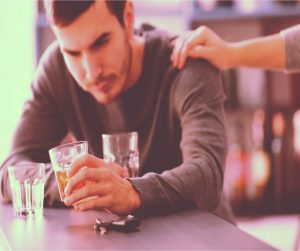
The Effects of Alcoholism: Consequences of Excessive Drinking

[vc_row][vc_column][vc_cta h2="Help Is Only A Phone Call Away" txt_align="center" shape="round" style="flat" color="vista-blue" el_width="sm" use_custom_fonts_h2="true" use_custom_fonts_h4="true"]Call Now 855-227-9535[/vc_cta] Drinking socially is so deeply ingrained in our culture that it becomes difficult to see the line between casual drinking and alcohol abuse. Alcoholism is rarely depicted as a problem when it’s shown in movies, or in TV shows. More often than not, it’s a source of comedy. But there is one way to effectively determine whether or not someone is an alcoholic, and that is to see if they are experiencing any of its negative effects. Abusing alcohol and drinking too much has its consequences. And if someone is clearly struggling with the adverse effects of alcohol use disorder, then they definitely need medical assistance. Recognizing the problem is always the first step towards recovery. Here is what you need to know about the effects of alcohol addiction.

Alcoholism and the Brain

The_effects_of_alcoholismA person’s alcohol intake will impact their brain. Specifically, it will change the way their brain functions. For starters, excessive alcohol intake will impair the neurons’ ability to communicate with the rest of the body. This will hinder the ability to react to stimuli as needed, among other important functions. Even when you are not drunk, chronic drinking will make your mind fuzzy, making it difficult to remember things or function properly. This inability to make important decisions (and the inability to perform basic motor functions when intoxicated) can cause serious problems in certain situations where they are absolutely necessary. This is why you are not supposed to drink and drive. You are more likely to harm yourself and other people on the road because your brain is less responsive and less capable of performing properly.

Alcoholism and the Body

We all know that drinking too much is bad for the liver. But alcoholism also negatively impacts your heart, your pancreas, and your immune system. We can say that excessive drinking can slowly kill you from within. Drinking too much can lead to overdose or an alcohol-related disorder. Heart problems are some of the most common effects of chronic alcohol abuse and alcoholism. According to the National Institute on Alcohol Abuse and Alcoholism (NIAAA), the most common effects of alcoholism on the heart are high blood pressure, stroke, cardiomyopathy, and irregular heartbeat. Alcoholism has also been linked to various forms of cancer like breast cancer, throat cancer, pancreatic cancer, mouth cancer, esophageal cancer, and liver cancer. The person may also develop alcoholic hepatitis, liver inflammation, cirrhosis, and other potentially life-threatening conditions. Do keep in mind that alcohol is a toxin and it can create toxic substances in your body. You will know that a person is alcoholic if they continuously crave for alcohol and if they easily give in to their compulsions. They will often feel distracted and agitated until they get it. Conversely, they will feel intense relief after a drink. [maxbutton id="3" ] It is estimated that about 18 million Americans are living with alcohol use disorder. There is no shame in seeking treatment. A combination of detox and behavioral therapy while following a personalized program can go a long way for a person who wants to get sober again. Look for an addiction treatment center near you today! https://www.rehabnear.me/

The Effects of Alcoholism: Consequences of Excessive Drinking was originally seen on www.rehabnear.me


from
https://www.rehabnear.me/effects-of-alcoholism/

Thursday, 6 December 2018

Museum Creates Program for Families Suffering from the Opioid Crisis

The opioid crisis is one of the most serious problems that need an immediate solution in the United States. So many people have died due to opioid overdose. But aside from the lives lost and wasted, opioid affects a person in so many affects, thus affecting the society. This drug is also capable of destroying families and relationships. This reality led the Currier Museum of Art in New Hampshire to create a program that uses art as a healing tool for those affected by the epidemic. Opioid Crisis in the USNew Hampshire’s most populous city has a major drug problem, but the Currier Art Museum is here to help families affected by addiction. The Manchester museum’s education department created “The Art of Hope” program in partnership with Partnership for Drug Free Kids, to provide a safe space for relatives of those struggling with drug use to discuss methods of resilience, self-care, social connection, shame, and hope. Click the link to read the article. Participants spend a few hours each week contemplating the museum’s collection and completing small art projects meant to provide coping mechanisms, and healing tools meant to mend broken relationships between families and their drug-using relatives. The focus of each session varies, but most begin with an introspective look at paintings like the 18th-century French painter Claude-Joseph Vernet’s “The Storm” (1759). Educators choose works that can speak to the tempestuous nature of drug addiction and the collateral damage it can inflict on loved ones. Accordingly, Vernet’s painting depicts turbid waters and a shipwreck, with scrambling survivors dragging loved ones ashore and a gloomy mountain-bound fortress in the distance.

Museum Creates Program for Families Suffering from the Opioid Crisis was originally published on https://www.rehabnear.me/


from
https://www.rehabnear.me/museum-creates-program-for-families-suffering-from-the-opioid-crisis/

Wednesday, 5 December 2018

School-Based Counselors Help Kids Cope With Fallout From Drug Addiction

Dealing with addiction is very difficult, more so for kids who got involved with it at a very early age. The number of people using drugs keeps on increasing around the world and this means that users come at all age brackets, including the youth. As soon as they get into drug use, everything could change for them. They can be affected physically, act differently, and even their priorities in life may change. These youths definitely need all the help they could get. Helping drug addicted kidsIn Massachusetts, a growing number of schools are hiring treatment counselors to work with teachers and their students whose families are battling addiction. The counselors work at the schools but are employed by Gosnold, the largest provider of addiction services on the Cape. Click here for the rest of the article. In October, Congress authorized $50 million a year for the next five years to fund mental health services to help school districts treat students who have experienced trauma due to the opioid epidemic. And an increasing number of school districts across the country are starting not only to screen and treat at-risk kids for opioid addiction, but also access mental health counseling specifically for students whose families and communities are consumed by opioid abuse.

School-Based Counselors Help Kids Cope With Fallout From Drug Addiction is available on Rehab Near Me


from
https://www.rehabnear.me/school-based-counselors-help-kids-cope-with-fallout-from-drug-addiction/

Tuesday, 4 December 2018

Gloucester chef Tom Kerridge confesses his alcohol addiction on BBC Radio

It often starts with one drink, then another one and then one after the other. In most cases, alcohol is seen as something that is a staple in parties and different events. For others, it is one way to socialize with others. But as soon as one consumes more than what is enough, addiction starts to kick in followed by different kinds of problem. Not all alcoholics may have the courage to admit their addiction. addiction to alcohol But Tom Kerridge, a Gluocester chef confessed about his alcohol addiction. In the interview with host Lauren Laverne he admitted there were times when he would have a pint of a negroni cocktail to start his night. At the time alcohol had “got a grip”, he said, and added: “I have completely destroyed alcohol for myself”. “I was drinking huge amounts, never during the day, always after service but it was always colossal amound and probably still I’m dependant on alcohol I can’t touch it,” he said. Click the link for more information. The point when he knew he had a problem was when he was working in different parts of the country hoping the bar would still be open by the end of his shift. “You know you’ve gone beyond [a problem] when you drive around and in the boot of your car is a case of beer and a bottle full of gin, just in case you’re working somewhere that night and the bar is closed by the time you get there.” The amount he was drinking, he said, he could drink most people under the table. “I would order a pint of negroni [a cocktail with gin, campari and vermouth] and that would be the start of it,” he said.

The above post Gloucester chef Tom Kerridge confesses his alcohol addiction on BBC Radio is courtesy of https://www.rehabnear.me/


from
https://www.rehabnear.me/gloucester-chef-tom-kerridge-confesses-his-alcohol-addiction-on-bbc-radio/

Monday, 3 December 2018

Rehab offers extra support during fight for sobriety

As the number of addiction treatment programs keeps increasing with the goal of helping people to escape addiction and start a new life, so is the number of drug users. This reality makes it more difficult to solve the problem in drugs. Around the world, alcohol and drugs are considered a serious problem that needs an immediate solution as it brings danger to people and society as a whole. It also calls for more intensive programs to solve this. One of the ways of doing it is through twelve-step programs. Sobriety_fightTwelve-step programs have been used to help recovering drug addicts for decades, but as time goes on some treatment providers are finding they’re not always enough to battle addiction. “We’re finding that while 12 Steps worked well for a lot of people, it doesn’t work well for everybody,” said Cole Watts, owner of Stages of Recovery in Lubbock. Click here for more information. Since Stages of Recovery started in 2007 as a sober living operation, the center has noticed the need for more treatment resources and now offers outpatient treatment, day treatment, and even in-person psychiatric help. The additional tools were and remain necessary, as Watts says there is undoubtedly an addiction problem in Lubbock. “I don’t think it’s the worst place in the nation or even the state, but Lubbock has a problem and it’s more of a problem than people realize,” said Watts. “Opiates continue to be on the rise, and while we’re not Boston or Pittsburgh where they have 50 to 100 people dying a day of opiate overdose, we have had young people here overdose and die just in the last six months.”
The above article Rehab offers extra support during fight for sobriety was first published to https://www.rehabnear.me/


from
https://www.rehabnear.me/rehab-offers-extra-support-during-fight-for-sobriety/

How to Recover from OxyContin Addiction: Your Drug Rehab Guide

  Navigation:

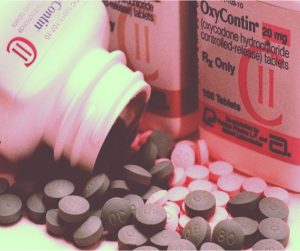
  [vc_row][vc_column][vc_cta h2="Help Is Only A Phone Call Away" txt_align="center" shape="round" style="flat" color="vista-blue" el_width="sm" use_custom_fonts_h2="true" use_custom_fonts_h4="true"]Call Now 855-227-9535[/vc_cta] OxyContin is known by many as the controlled-release version of oxycodone. With an extended release formulation, this drug is designed to stay in the user’s system for a longer period of time, providing pain relieving effects for up to 12 hours. It’s, therefore, no surprise that this oxycodone-based opioid prescription medication is very potent. Many people get addicted to it because of its habit-forming properties. Even those who are taking it properly for painful chronic illnesses are at risk because of the drug’s high potential for abuse. The likelihood of developing dependence or getting addicted increases if OxyContin is misused. While the drug is certainly beneficial when used correctly, the high abuse potential is what makes it a Schedule II controlled substance. On this article, we will talk about everything you need to know about addiction treatment and the recovery process.

What Are the Symptoms of Opioid Abuse?

Addiction_to_OxycontinOxyContin is an opioid. This means most of the symptoms of abusing OxyContin are similar to the symptoms of abusing other narcotics. Because opioids tend to slow down brain activity, you may notice that a person abusing OxyContin is often drowsy or sleepy. They may become increasingly lethargic as they take large doses of this drug. Abusing any prescription medication will eventually lead to tolerance, which means the drug will start losing its effect. A tolerant individual will have to take larger doses of OxyContin just to get high. This is made even more dangerous by the fact that this extended-release opioid is already so potent. Taking large doses can lead to an overdose.

How Does Medical Detox Work?

If a person becomes drug dependent, they won’t be able to quit the drug without going through withdrawal. These unpleasant symptoms, plus the intense cravings they’ll experience, will force them to relapse. In order to recover from drug dependence, they will have to go through proper medical detox. A comprehensive drug treatment program is often necessary to help addicted people get sober again. These programs are personalized plans that cater to their specific needs. After all, everyone goes through addiction differently. If a person starts abusing their prescription, they’ll become drug dependent—but that does not always mean they will get addicted. Addiction is a medical condition that involves the compulsive intake of a certain drug. Medical detox works by gradually weaning the user off of their chosen opioid. Sometimes a replacement opioid is used to soften the blow and make it easier for medical professionals to manage the withdrawal symptoms. Addiction treatment, especially inpatient treatment, is particularly helpful because it keeps the patient safe. Withdrawal symptoms may range from unpleasant to life-threatening. That is why medical attention is necessary during the detox process. Common withdrawal symptoms caused by opioid abuse include anxiety, muscle aches, joint pain, agitation, diarrhea, nausea, vomiting, and stomach cramps. Opioids also have a tendency to affect the respiratory system because they can slow down or stop a person’s breathing. Withdrawal symptoms can range in intensity, depending on a number of factors like drug history, age, metabolism, health condition, and other co-occurring disorders. [maxbutton id="2" ] Addiction is a medical condition, but it also has an emotional and psychological aspect to it, which is why a person’s mental health should also be addressed. Behavioral therapy can help them address the root cause of addictive behavior. Techniques like counseling, addiction education, and meditation can go a long way in their fight against addiction. Look for an addiction treatment facility near you today! https://www.rehabnear.me/

How to Recover from OxyContin Addiction: Your Drug Rehab Guide Read more on: www.rehabnear.me


from
https://www.rehabnear.me/oxycontin-addiction/