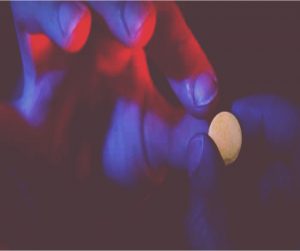
In the United States, the number of people who are getting addicted to different kinds of drugs is constantly increasing. On a daily basis, we can see in the news or on the internet that something happened as a result of drug addiction. Of all drugs, the CDC has now confirmed Fentanyl as the deadliest drug in America. Fentanyl is now the most commonly used drug involved in drug overdoses, according to a new government report. The latest numbers from the US Centers for Disease Control and Prevention’s National Center for Health Statistics say that the rate of drug overdoses involving the synthetic opioid skyrocketed by about 113% each year from 2013 through 2016. Click here for more information. The number of total drug overdoses jumped 54% each year between 2011 and 2016. In 2016, there were 63,632 drug overdose deaths.According to Wednesday’s report, which analyzed death certificates for drug overdose deaths between 2011 and 2016, fentanyl was involved in nearly 29% of all overdose deaths in 2016. In 2011, fentanyl was involved in just 4% of all drug fatalities. At the time, oxycodone was the most commonly involved drug, representing 13% of all fatal drug overdoses.From 2012 to 2015, heroin became the most frequently involved drug in overdose deaths. In 2011, the number of fatal heroin overdoses was 4,571, or 11% of all drug fatalities. In 2016, that number more than tripled to 15,961 deaths, representing a quarter of all drug overdoses that year.
[vc_row][vc_column][vc_cta h2="Help Is Only A Phone Call Away" txt_align="center" shape="round" style="flat" color="vista-blue" el_width="sm" use_custom_fonts_h2="true" use_custom_fonts_h4="true"]Call Now 855-227-9535[/vc_cta] Alcohol abuse is still a widespread problem. Drinking is such a common activity that it’s hard to tell whether a person is an alcoholic or just having fun. People drink to relieve stress, to socialize, to experiment, or to limit their inhibitions and have fun.Drinking recreationally has become ingrained in our culture. And while that’s not necessarily a bad thing, drinking excessively can lead to life-threatening consequences. So how do you know if someone is abusing alcohol?Here we will talk about the signs of alcoholism, and what you should look out for if you think someone you care about is drinking way too much.
Dealing with Denial
Denial is one of the main reasons why millions of people don’t get the treatment they need for alcoholism. Most people with alcohol use disorder will refuse to acknowledge the problem. They will try to rationalize their drinking behaviors, even if it’s harmful to them.They will refuse to take responsibility for their actions, blaming other people or certain circumstances for their drinking.But by refusing to recognize their own faults, they become unable to deal with the problem. They keep themselves from getting better.If a loved one is in denial about their drinking habits, you will need to set up an intervention, set boundaries, or help them see the flaws in their actions. Once they stop making excuses, they can begin receiving the support they need.
The Warning Signs of Alcohol Abuse
If you’ve heard of the term binge drinking, then you might already have an idea of what alcoholism looks like. Alcoholics will binge and they will do it often. Binge drinking is the act of drinking lots of alcohol within a short period of time.But binge drinking often is perhaps the easiest sign to spot. Some warning signs aren’t recognizable, while others may be more difficult to identify. And so the severity of alcohol abuse plays a role in the warning signs that a person exhibits.One common sign of alcoholism is trying to cover up alcohol abuse by lying or drinking in private. Alcoholics may try to isolate themselves from others so that they can hide their drinking habits. These people will drink alone, or drink in the middle of the day. This only makes it challenging for family members or friends to intervene.If your loved one feels hungover when not drinking, there’s a chance they might be abusing alcohol. You might notice that they are making excuses to drink: they will say they need to relax, deal with stress, etc. Regardless of their excuses, they will always choose to drink over other responsibilities and obligations.
Signs and Symptoms of Alcohol Use Disorder
While abusive behavior is easier to conceal, the effects of alcoholism on the body will prove impossible to cover up. If left untreated, alcohol abuse can spiral out of control quickly, causing damage to internal organs.When alcohol abuse begins to impact their health, it is diagnosed as an alcohol use disorder. This is a medical condition that must be treated with the help of professionals because at this point, quitting will only lead to withdrawal and relapse.Symptoms may vary from one person to another. Common symptoms include extreme mood swings, temporary blackouts, short-term memory loss, unconsciousness, nausea, vomiting, etc. [maxbutton id="3" ] It goes without saying that these symptoms should not be ignored. If someone you care about is struggling with alcoholism, look for a rehab facility near you.Overcoming alcoholism involves a comprehensive treatment plan that is tailored to suit the patient’s specific needs. It may take a combination of medical detox and behavioral therapy, but the person will eventually get sober again. It all starts with recognizing the signs of alcoholism.
So many people are getting addicted to different kinds of drugs, specifically opioids. This problem is becoming more serious each day as it is affecting more lives and causing big problems to society. Although there are addiction treatments available, it seems not enough with how worse the problem has become. But there is good news. A new prescription drug is now available to give hope to opioid addicts. For 16 years, prescription opioids ruled Jo Pagel's life. From 2001 to 2017, she battled cancerous tumors in her breasts, lymph nodes and uterus while fighting an addiction to OxyContin."I didn't know a thing about it," Pagel, 63, told the Rapid City Journal of the drug, which was prescribed to her in 2001 to quell pain from her cancer treatments, surgeries, and neuropathy in her hands and feet. "I just knew I wanted to beat my cancer. Whatever my doctors told me I needed to do to beat my cancer, that's what I was going to do." Click here for more information. Pagel has since beat cancer three times and retired from a 35-year career teaching physical education for the Rapid City School District. But her struggles with OxyContin continued until another drug, now being offered in Rapid City, helped her kick her addiction.In late September, the Addiction Recovery Centers of the Black Hills held Rapid City's first complete medication-assisted treatment (MAT) clinic.Alongside traditional addiction treatment like counseling, doctors in the clinic with a special certification also have the option to prescribe patients Suboxone, a drug crafted to lessen the effects of opioid withdrawal, give users a very slight high meant to kill cravings, and block certain brain receptors, preventing patients from getting a real high should they relapse. It's the first center in Rapid City to offer the full range of MAT, with counseling and the administering of Suboxone under one roof.
[vc_row][vc_column][vc_cta h2="Help Is Only A Phone Call Away" txt_align="center" shape="round" style="flat" color="vista-blue" el_width="sm" use_custom_fonts_h2="true" use_custom_fonts_h4="true"]Call Now 855-227-9535[/vc_cta] Addiction treatment programs are often highly personalized because people experience addiction differently. Behavioral therapy is one of the most important aspects of the treatment process, as it is designed to address the root causes of addictive behavior. But what exactly are these root causes? How does addiction start? Let’s take a closer look.
The Big Misconception
We’ll start by addressing a huge misconception that many people have about addiction: that it is entirely the person’s choice, and that they can stop any time they want. True enough, even addicted people think it’s just a matter of willpower. They put off recovery because they believe they can quit any time. But this only justifies their addictive behavior—it means that they are still unwilling to seek treatment. That is because they physically cannot quit. Addiction is more complex than a set of personal or political beliefs. It is a medical condition that has many layers to it. It can be biologically predicted—it can also be due to personal responsibility. It is, in fact, a mixture of both.
What is Addiction?
Addiction is the compulsive need for a certain substance, often drugs or alcohol, and the inability to resist the urge to take it despite already suffering from the physical and emotional consequences. It comprises a series of challenging mental health disorders that are still not fully understood. There are many different causes, and this is what makes the issue so difficult to tackle without professional help.
What are the Causes of Addiction?
The National Institute on Drug Abuse or NIDA recognizes that there is no single factor that determines a person’s risk for substance abuse and addiction. Based on a great deal of research, however, we can identify a handful of common factors: biology, environment, and development. Biology refers to all the genetic factors that may affect a person’s risk for substance abuse. There are also a number of physical factors that may come into play, such as gender, ethnicity, health condition, fitness, metabolism, and other factors. According to NIDA, this factor may contribute about 40 to 60 percent of a person’s risk of addiction. A person’s upbringing, beliefs, and experiences can also influence their attitude towards the use of drugs. Their development and environment play a major role in this. A person’s childhood and adolescence may make substance use more likely to occur early and lead to bigger problems later in life. A combination of these elements often influences a person’s decision to begin using or abusing addictive substances. And while there is still an element of choice involved, the person’s decision is heavily swayed by these numerous factors.
How Does Genetics Increase the Risk of Addiction?
One of the risk factors for addiction is a family history of substance abuse or other mental health conditions. This demonstrates that genetics has something to do with addictive behavior: the risk of becoming addicted could be passed down through genetic pathways. However, this is only one part of the equation. In fact, these genetic factors may never even come into play if the person’s environment and upbringing don’t promote the behavior.
How is Addiction a Developmental Disorder?
A childhood home that is chaotic, unstable, or abusive, may cause the person to become more vulnerable to addictive behavior later in life. Other environmental factors include peer pressure, academic stress, financial problems, or constant pressure. [maxbutton id="3" ] The day-to-day experiences of each individual should not be discounted. Socioeconomic status, residence, and prevalence of crime in the neighborhood are also known to be contributing factors to the risk of substance abuse. This means it’s not only your childhood that can create problems for you, but also your life now—your choices, your experiences, and your problems can all give way to something much harder to deal with if you resort to taking drugs as an escape. Some people abuse drugs much later in life and suffer all the same. Do not let stress and every other factor consume you. Addiction is a serious medical condition that requires medical assistance, and a few minutes of euphoria isn’t worth all of it. If you or someone you care about is addicted to drugs or alcohol, look for a rehab facility near you today! Medical detox and behavioral therapy can go a long way, and professionals can help them address the root causes of their addiction. Get started on the road to recovery today!
Each country has their own struggle with drug addiction. Every day, we see or hear news or happenings that have something to do with drugs. We can also see that the effects of drugs can be very deadly and dangerous to the user, other people, and the society as a whole. With how severe the problem is, everyone is trying to figure out the best way to solve it. In Oregon, their mayor is considering jail alternative for mentally ill and drug addicted people. Public records show Portland officials are in the early stages of exploring whether the city may create a jail alternative for people arrested for non-violent acts related to mental health or addiction. The Oregonian/OregonLive reports deputy city attorney Andrea Barraclough responded to Mayor Ted Wheeler’s senior adviser in September saying the she believes the city could create such a space. Click here for more information. She also said that type of facility would need approval from state regulators and likely would need to follow the same laws as correctional facilities.Wheeler’s senior aide Berk Nelson said Monday that the mayor’s office, in coordination with Multnomah County, asked for the legal research on a jail alternative.
It can be observed that drug addiction has become so big and serious as a problem that almost every country in the world tries to solve. Putting an end to it has been very challenging. One reason is the number of drug-addicted individuals that keeps on increasing. Also, more and more women today are having themselves into drug addiction. In fact, in Kashmir, 4000 women are among the 70 thousand drugs addicts. Chairperson of Jammu and Kashmir Human Rights Commission (JKHRC), Chief Justice (retd), Bilal Ahmad Nazki, Monday said that there are 70,000 drug addicts in Kashmir alone out of which 4000 are women. He said this at the 70-th World Human Rights Day which was organized at the Auditorium Hall of Information Department here. Click here for more details. Speaking on the occasion, Nazki said, “One of our jobs is to make the people feel the pain of the ill effects of our society. During the current year, more than 10,000 people visited SMHS hospital and Police Drug De-Addiction and Rehabilitation to get treatment for their drug addiction. That is the reason, we choose Drug Abuse topic on today’s Human Rights Day.Recalling some of his recent experiences about drug prevalence of addiction in the society, Nazki said, “One of the boys told me that he had stolen all ornaments of his mother and sister to purchase drugs. Another person spent Rs 75 lakh on the drugs.
[vc_row][vc_column][vc_cta h2="Help Is Only A Phone Call Away" txt_align="center" shape="round" style="flat" color="vista-blue" el_width="sm" use_custom_fonts_h2="true" use_custom_fonts_h4="true"]Call Now 855-227-9535[/vc_cta] Addiction, opioid epidemic, drug abuse—we hear about these things so often, but we still don’t really understand what they mean. It’s hard to deal with problems you don’t understand, and so we are going to try and fix that.By providing more information about these issues, we can begin to empathize with people who are dealing with them and we can also begin to help. This is helpful if you have a loved one who is fighting addiction as well. But perhaps most importantly, we can keep ourselves from becoming a part of the problem. We can then dedicate our energy towards helping others get back to living a sober life.
The Biggest Misconception
So the first thing you need to know about drug use and addiction is that it’s not purely caused by a lack of moral principles or willpower. Drug addiction is a condition that keeps them from quitting. Many people think that addicted individuals are simply choosing not to recover.But with the intense cravings, severe withdrawal symptoms, and the overwhelming effects of drug use, it is extremely difficult to quit without relapsing, putting your life in danger, or both.Addiction treatment—a proper, comprehensive treatment plan that caters to the patient’s specific needs—is necessary to defeat this complex disease. It takes more than just courage and a strong will.Fortunately, addiction treatment has come a long way, and researchers know more about drug addiction more than ever.
What is Drug Addiction?
Addiction is a chronic disease that is described as drug-seeking behavior. This behavior is compulsive. The addicted person will seek out their drug of choice, even when they are already experiencing its negative effects.While the initial decision to take drugs is voluntary for most people, repeated drug use can lead to changes in the brain that will lead to addiction. It interferes with self-control. It interferes with their ability to resist the urge to take drugs.Some drugs are more habit-forming than others. Some are more potent. Some are more dangerous.People also have different ways of processing the drug. They have different methods of administration. They will have different drug habits. And so tackling addiction is very complicated, because everyone experiences it differently.The various health effects, mental and physical, will vary depending on what drug they took, how often they took it, along with other different factors.Drug addiction is considered a relapsing disease. People in recovery are always at risk of returning to their addictive habits. This is why treatment is more than a physical thing.
How Does Addiction Treatment Work?
While treatment works based on the person’s specific needs, there are two main components in a treatment program. Medical detox focuses on the physical effects of addiction. On the other hand, behavioral therapy focuses on the addictive behavior itself—the root cause of drug abuse.Medical detox is all about getting the drug off of a person’s system so that they can go through withdrawal more easily. We can assume that most addictive individuals will go through withdrawal at some point because we are removing something that has been present in their system for a very long time. It’s more than just kicking a habit. It’s about training the system to function again without it. [maxbutton id="2" ] And so withdrawal symptoms are to be expected, but medical professionals will be there to provide the proper care that patients need. Proper detox also makes withdrawal easier. Without professional help, withdrawal can be life-threatening, in some cases.Behavioral therapy takes into consideration the emotional and mental effects of addiction—even the social effects of drug use. It ensures that the person can cope with the sober lifestyle so that they don’t just go straight back to abusing drugs.Look for an addiction treatment center near you today and find out more about addiction treatment.

 Fentanyl is now the most commonly used drug involved in drug overdoses, according to a new government report. The latest numbers from the US Centers for Disease Control and Prevention’s National Center for Health Statistics say that the rate of drug overdoses involving the synthetic opioid skyrocketed by about 113% each year from 2013 through 2016. Click here for more information. The number of total drug overdoses jumped 54% each year between 2011 and 2016. In 2016, there were 63,632 drug overdose deaths. According to Wednesday’s report, which analyzed death certificates for drug overdose deaths between 2011 and 2016, fentanyl was involved in nearly 29% of all overdose deaths in 2016. In 2011, fentanyl was involved in just 4% of all drug fatalities. At the time, oxycodone was the most commonly involved drug, representing 13% of all fatal drug overdoses. From 2012 to 2015, heroin became the most frequently involved drug in overdose deaths. In 2011, the number of fatal heroin overdoses was 4,571, or 11% of all drug fatalities. In 2016, that number more than tripled to 15,961 deaths, representing a quarter of all drug overdoses that year.

 For 16 years, prescription opioids ruled Jo Pagel's life. From 2001 to 2017, she battled cancerous tumors in her breasts, lymph nodes and uterus while fighting an addiction to OxyContin."I didn't know a thing about it," Pagel, 63, told the Rapid City Journal of the drug, which was prescribed to her in 2001 to quell pain from her cancer treatments, surgeries, and neuropathy in her hands and feet. "I just knew I wanted to beat my cancer. Whatever my doctors told me I needed to do to beat my cancer, that's what I was going to do." Click
 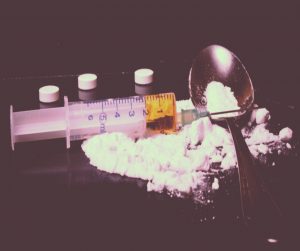 We’ll start by addressing a huge misconception that many people have about addiction: that it is entirely the person’s choice, and that they can stop any time they want. True enough, even addicted people think it’s just a matter of willpower. They put off recovery because they believe they can quit any time. But this only justifies their addictive behavior—it means that they are still unwilling to seek treatment. That is because they physically cannot quit.
 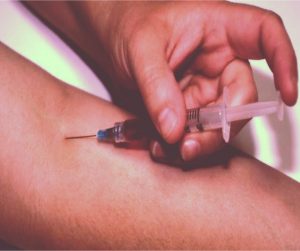 In Oregon, their mayor is considering jail alternative for mentally ill and drug addicted people. Public records show Portland officials are in the early stages of exploring whether the city may create a jail alternative for people arrested for non-violent acts related to mental health or addiction. The Oregonian/OregonLive reports deputy city attorney Andrea Barraclough responded to Mayor Ted Wheeler’s senior adviser in September saying the she believes the city could create such a space. Click
  Chairperson of Jammu and Kashmir Human Rights Commission (JKHRC), Chief Justice (retd), Bilal Ahmad Nazki, Monday said that there are 70,000 drug addicts in Kashmir alone out of which 4000 are women. He said this at the 70-th World Human Rights Day which was organized at the Auditorium Hall of Information Department here. Click