Saturday, 16 June 2018

Suboxone: What is it for and How Does it Work?

  Navigation:

  [vc_row][vc_column][vc_cta h2="Help Is Only A Phone Call Away" txt_align="center" shape="round" style="flat" color="vista-blue" el_width="sm" use_custom_fonts_h2="true" use_custom_fonts_h4="true"]Call Now 855-227-9535[/vc_cta] People are given prescription medications based on the condition they have and the symptoms they are struggling with. Used responsibly, they can restore a person’s health and help them live a positive, fulfilling life. But in some cases, people abuse their prescriptions and end up in a worse condition than when they started. The most commonly misused prescription medications are opiates and opioids. These are drugs that help patients who are suffering from moderate to severe pain. Taken properly, they can provide pain relief. Misused, they can cause addiction, tolerance, and physical dependence. Enter suboxone. This is a drug that can help patients with this exact problem. But what does it do and how does it work? Let’s take a closer look.

What is Suboxone for?

Suboxone how does it workOpiates and opioids, also called narcotics, are derived from the opium poppy plant. Opiates are natural derivatives, while opioids are the synthetic and semi-synthetic versions. Both these drugs reduce pain, including cancer pain, traumatic pain, and post-surgical pain. While providing pain relief, narcotics tend to create a euphoric sensation that gives its users a sense of wellbeing. It relaxes them and makes them feel good. It’s what makes these drugs habit-forming. Aware of this, some people use it recreationally to get high. Suboxone is for addicted individuals: specifically those who have been abusing opiates or opioids. It is used in the treatment of opioid addiction, as a key part of the rehabilitation process.

How does it Work?

Suboxone is a combination drug made up of two main active ingredients: buprenorphine and naloxone. It eradicates the effects of opiates and opioids in the user’s brain. It prevents the euphoric high from kicking in, while also keeping the person from experiencing withdrawal. It can also help ward off intense cravings that often cause people to relapse. Buprenorphine is the key ingredient here. It is a partial opioid agonist, which means it takes the spot of opioids in the same receptors in the brain. By interacting with these receptors, it tricks the brain into thinking that an opioid was taken. The difference is that buprenorphine has a much lower risk of creating a high, meaning it is less likely to be abused. So while the person is avoiding the high, their body is also avoiding the effects of withdrawal, including cravings. Suboxone also contains naloxone, which is an opioid antagonist. It is added into the mix for the sole purpose of discouraging drug abuse. If someone were to tamper with suboxone, for example by injecting it into their bloodstream, they would immediately go into withdrawal. The user will crash. Suboxone has a lower risk of abuse compared to other opioids, even though it is still considered an opioid itself: buprenorphine is also an opioid. And because of this, it is still possible to get addicted to suboxone. [maxbutton id="3" ] Misusing this drug involves taking much larger doses than recommended. Users who are desperate to get high will leap at the chance to abuse this opioid. If you know someone who is addicted to suboxone, help them get on the path towards sobriety. The best way to recover from addiction is with a combination of behavioral therapy and medical detox. In a controlled environment, their suboxone intake may be monitored more closely, so that they receive its intended effects. But it works best when done alongside techniques that address the root causes of addiction. Counseling and group therapy may work wonders alongside suboxone. Look for an addiction treatment near you today! https://www.rehabnear.me/

Suboxone: What is it for and How Does it Work? is available on https://www.rehabnear.me/


from
https://www.rehabnear.me/all-about-suboxone/

Friday, 15 June 2018

Does Cannabis Addiction Start at 40???

When it comes to number, although there is a lesser number of women who use drugs than men, the number is still alarming especially that this number is getting higher. Cannabis, specifically, is a drug that so many people across the world use. And now, according to a study by the University of York, addiction to cannabis is rising among people aged 40, women in particular.

With this number on the rise, people need to be educated on the effects of this substance. Abuse of this substance can lead to numerous problem which can affect one's health and can even lead to danger. For those who are addicted and wants to seek help, this drug addiction blog is a venue that can help them seek help. There are numerous drug recovery programs available that can help them get out of their addiction.


Addiction to cannabis is rising among people above the age of 40, and women in particular, according to a study by the University of York.

In the past 10 years, the number of women citing the drug as their sole concern at treatment centres more than doubled, from 471 to 1008.

Researchers blame an increase in the potency of the drug and are calling for more and better treatment.

Cannabis is still however primarily used by young men.

The study analysed figures from Public Health England on people seeking help at drug treatment centres between 2005-06 and 2015-16.

The increase comes despite fewer people using cannabis. The number of people who use it at least once a month has fallen from two million to 1.4 million during the past decade, according to the Crime Survey for England and Wales.

It remains the most popular illegal recreational drug in the UK, however.

Report author Ian Hamilton, a lecturer in addiction at York University, said: “The narrative is that cannabis is a young person’s problem.

“That is still the case, but we are seeing a steady and significant rise in addiction problems amongst people over 40, particularly women.

“Cannabis is cheap and widely available. And many women consider it to be benign.

“For many people it will be, but there are a significant number who go on to develop problems.

“Older people were probably used to cannabis at a lower strength. Now, the market is awash with higher potency stuff, often grown domestically.

“In some cases, resin can be nearly three times stronger than drugs on the street in 2005.

“Higher potency cannabis, which is often combined with tobacco, could increase the likelihood of people developing health problems.”...

Source

http://newsandworld.com/cannabis-addiction-rising-among-women-and-over-40s/

The featured post Does Cannabis Addiction Start at 40??? See more on: RehabNear.me


from
https://www.rehabnear.me/does-cannabis-addiction-start-at-40/

Study Says Alcohol and Tobacco More harmful than Illegal Drugs

We all know for a fact that illegal drugs is dangerous. Such substance can put our lives in danger and even those around us. Drugs can affect a person psychological, mentally, even physically. Actually, all aspects in a person's life get affected because of drugs and it is considered as a major problem not only in the United States, but almost in all countries. But what is more interesting is that, a study found that alcohol and tobacco can actually be more harmful than drugs.

A report has been released suggesting that tobacco and alcohol are considered to the the most harmful substance that people utilize around the world. But if we come to think of it, none among the three is better than the other because all of them can bring harm and danger to people. This is why a drug addiction blog like this exists- to help people stay from these three or, if they are already addicted, we hope to help them change and get back on their feet with our recovery centers.


The Society for the Study of Addiction recently released a report that suggests tobacco and alcohol is the “most harmful substance” utilized by people around the world. The report compiles data from the United Nations Office on Drugs and Crime, Institute for Health metrics and Evaluation and World Health Organization.

While the data is fairly limited, the organization’s report provides a clear image of the burden and mortality of diseases associated with illicit drugs, tobacco and alcohol.

As more and more states legalize medical and recreational marijuana, its popularity continues to soar. The data revealed that only 259 people out of 100,000 were dependent on cannabis.

Deaths Related To Tobacco And Alcohol

According to the Society for the Study of Addition, more deaths are related to alcohol and tobacco than illegal drugs, such as cocaine and methamphetamine, and cannabis. This basically means that more lives are lost to tobacco and alcohol use than their illicit counterparts.

Researchers utilized what is known as “disability-adjusted life years” (DALYs) to study the overall harm caused by illicit drugs, cannabis, alcohol and tobacco. This method measures the number of years people with cancers and heart and respiratory diseases survive. Overdose deaths are also included in this measurement.

Researchers combined overdose deaths from illicit drug use and DALYs to measure the level of harm caused by illegal substances, tobacco and alcohol. The results revealed that the harm caused by tobacco and alcohol was much more severe than the harm caused by illicit drug use.

Focusing solely on the substance-attributable mortality rates, tobacco use contributed to 110.7 deaths per 100,000 people, alcohol contributed to 33.0 deaths out of 100,000 people. So, tobacco us is contributed to more than three times more deaths than alcohol.

Now, when you look at the substance-attributable mortality rates for illicit drugs, the numbers are much lower. According to the SSA report, illegal drug use contributed to 6.9 deaths per 100,000 people.

If you believe the substance-attributable mortality rates are disturbing wait until you see the DALYs results. Tobacco and alcohol contributed to a loss of 250,000,000 disability-adjusted life years – alcohol 85.0 million years and tobacco 170.9 million – worldwide. Illegal substance use did not even come close to that number. However, it still contributed to a loss of tens of millions DALYs...

Source

https://weedinmypocket.com/new-study-suggests-alcohol-and-tobacco-are-more-harmful-than-illegal-drugs/

Study Says Alcohol and Tobacco More harmful than Illegal Drugs See more on: https://www.rehabnear.me/


from
https://www.rehabnear.me/study-says-alcohol-and-tobacco-more-harmful-than-illegal-drugs/

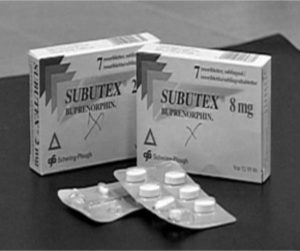
What’s the Difference Between Suboxone and Subutex?

  Navigation:

[vc_row][vc_column][vc_cta h2="Help Is Only A Phone Call Away" txt_align="center" shape="round" style="flat" color="vista-blue" el_width="sm" use_custom_fonts_h2="true" use_custom_fonts_h4="true"]Call Now 855-227-9535[/vc_cta] Suboxone and subutex are two different drugs that have the same purpose. Both of these medications have been approved by the US Food and Drug administration (FDA) for the treatment of opiate and opioid addiction. But these two are not exactly the same. Understanding the difference between suboxone and subutex can go a long way in helping patients use them properly and avoid further problems involving addiction.

The Reasons for Comparison

Suboxone and SubutexOf course, the reason these two medications are being compared is the fact that they are so similar. They have the same function: helping addicted individuals get over their addiction. These two drugs work against opiates and opioids: natural and synthetic derivatives of the opium poppy plant, also called narcotics. Opiates and opioids are given to patients suffering from moderate to severe pain. These prescription medications can help relieve pain, but are quite habit-forming because of the way they induce euphoria. This makes them prone to being abused. People take them recreationally in order to get high, and eventually form an addiction. Suboxone and subutex both eradicate the effects of opiates and opioids in the person’s brain. They protect addicted users from the euphoric high while also keeping them away from dangerous withdrawal symptoms. Both suboxone and subutex can also help ward off intense cravings that cause people to relapse. Both drugs also contain the same active ingredient: a substance known as buprenorphine. Buprenorphine is an partial opioid agonist, which means it interacts with the same receptors in the brain that are affected by opiates and opioids. But buprenorphine is special because it does not cause the same high. It takes the spot of opiates such as heroin so that the user can no longer feel high, but they’re also not experiencing the cravings or withdrawal. Basically, suboxone and subutex can trick your mind into believing you’ve taken a narcotic.

How are they Different from one Another?

What sets suboxone and subutex apart is that the former has another active ingredient called naloxone; the latter does not. Buprenorphine may be a partial opioid agonist, but it is still technically an opioid. So in order to prevent the possibility of abuse, naloxone is added in order to create the combination drug suboxone. This substance, naloxone, is an opioid antagonist. This means it can help prevent people from abusing the medication. For example, if you are high on heroin and you took naloxone, you will suddenly enter a state of withdrawal. This is called a crash. Subutex may have a decreased abuse potential compared to other opioids, but suboxone takes this even further. The decreased risk allows doctors to prescribe suboxone more frequently as a take-home medication. Subutex is more commonly used under controlled environments, while suboxone is for those who are not at risk of abusing their medication. [maxbutton id="2" ] Unfortunately, both of these medications still have to be used carefully, because there are still some people who abuse them out of desperation. They want a high so badly that they’ll take large doses of suboxone and subutex. And ironically, it is still possible to get addicted to these medications. If you know someone who is addicted to opioids, or even suboxone and subutex, just know that they can still recover. With the combination of medical detox and behavioral therapy, some time and patience, they can become sober again and live their life to the fullest. It’s going to be tough, but it’s also going to be worth it in the end. Look for a drug rehab near you today! https://www.rehabnear.me/

The above post What’s the Difference Between Suboxone and Subutex? was originally seen on https://www.rehabnear.me/


from
https://www.rehabnear.me/suboxone-and-subutex/

Thursday, 14 June 2018

So What’s the Real Score Between Cigarette Addiction and Alcohol Addiction?

The worst thing about being an addict is when you get addicted to more than one substance. But it's not surprising that a drug addict for instance is also addicted to cigarette or alcohol. This definitely is too much to handle and we can only expect all the worse things that can happen to a person- from affecting his health, harming people, and being a burden to the society as a whole. The article below talks about the relationship between cigarette and alcohol addiction.

This addiction blog aims to help people get out of their addiction. It is also important for them to realize that all they need to do is to seek help as help is just around the corner with so many recovery centers around and professionals who are more than willing to guide them as they get back on their feet.


The Recovery Village examines the link between cigarette addiction and alcohol addiction

How many smokers also drink alcohol?

There is a direct link between cigarette addiction and alcohol addiction. There have been a number of studies done to confirm that people who smoke are more likely to drink alcohol. Studies have also shown that people who smoke are more likely to be dependent on alcohol. 90 percent of alcoholics smoke. Additionally, 70 percent of alcoholics smoke at least one pack of cigarettes a day (National Institute on Alcohol Abuse and Alcoholism). 

Reasons alcoholics are often addicted to cigarettes

There are genetic and psycho-social factors involved in cigarette smoking and drinking alcohol. People who have addicts in their family are more likely to become addicted to drugs and alcohol themselves. Dopamine is one of the chemicals in the brain that plays a role in the development of an addiction. Studies have shown that genetics play a role in the way that the body reacts to dopamine. Researchers also believe that the same genes that lead to alcohol addiction can lead to cigarette addiction. 


People who start smoking and drinking early in life are more likely to develop an addiction later in life. If a person is in a family that smokes or drinks, then they are also more likely to be addicted to cigarettes and alcohol.

How alcohol use can encourage cigarette smoking and vice versa

Scientists have different theories to explain why alcohol users are more likely to be addicted to cigarettes and vice versa. One theory is that alcohol and nicotine have opposite effects on the body, which can cause a person to crave one after having the other. Alcohol has a tendency to sedate the body, and nicotine has a tendency to stimulate the body. 

There have also been studies done on lab animals that have shown that exposing rats to low amounts of nicotine can increase the consumption of alcohol (Lárraga, Belluzzi, & Leslie, 2017)...

Source

https://womenshealthtoday.blog/2018/06/14/whats-the-link-between-cigarette-addiction-and-alcohol-addiction/

The above post So What’s the Real Score Between Cigarette Addiction and Alcohol Addiction? Read more on: Rehab Near Me


from
https://www.rehabnear.me/so-whats-the-real-score-between-cigarette-addiction-and-alcohol-addiction/

Uh Oh! Man’s Call to the Police Gone Wrong!

In most cases, if not all the time, we would call the police to report someone. And if you are someone who has done something wrong, you definitely would never call the police. Why would you? There's no point in incriminating yourself. But, this is not the case all the time as someone dared to call the police to report something which led to his arrest.

A man from Florida called the police to ask them to test the drug he bought as he had bad reactions to it. of course, this led to his arrest. This case is really unusual. But, such decision can actually be the result of using drugs. This simple proves that indeed, drugs can affect people mentally- affecting their minds in so many ways. This is why we need more drug recovery programs to offer help to addicted individuals.


(CNN) Police receive many calls for assistance, but this one was quite unusual.

Douglas Kelly, 49, from Hawthorne, Florida, called the Putnam County Sheriff's Office on Tuesday, police said, asking them to test the drugs he bought a week earlier because he wanted to press charges against the person who sold them to him.

Kelly's public defender did not immediately respond to a request for comment.

Police said Kelly told them he had a bad reaction after he smoked what he believed to be meth and thought he was sold another illegal substance.

"In an effort to ensure the quality of the drug the suspect purchased, detectives told Kelly if he came to the sheriff's office they could test the narcotic he purchased," the Putnam County Sheriff's Office wrote on Facebook.

Kelly drove down to the police station and handed over the clear, crystallized substance for offices to test, and tests showed it was meth, according to the Facebook post. He was arrested and charged with possession and booked into the Putnam County Jail...


Read More

Uh Oh! Man’s Call to the Police Gone Wrong! See more on: https://www.rehabnear.me/


from
https://www.rehabnear.me/uh-oh-mans-call-to-the-police-gone-wrong/

Wednesday, 13 June 2018

Traces of Oxycodone Found in Mussels-What!?

If only nature and other living and non-living things could talk to us, perhaps they would be complaining about the world's battle with drug addiction as well. This is how much drugs can affect not only the user or the person around, but it can affect everyone and anything in ways that we would never think of.  Now, traces of oxycodone drugs are found in mussels  in the Seattle and Bremerton area harbors.

Indeed, this is alarming as not only people get affected by drugs but even these sea creatures who are not doing anything wrong at all. Does this also mean that we might be eating drugs through these creatures? It seems like we can never run away from drugs. There is really no denying that this world needs more help as far as drugs is concern. This help can be in a form of treatment centers and recovery houses that those affected can turn to when the need arises.


Traces of oxycodone have been found in the tissues of native bay mussels in the Seattle and Bremerton area harbors, a new study by thePuget Sound Institute has found. Mussels are considered filter feeders, eating microscopic plants and animals and absorbing concentrated contaminants into their tissues.

The Institute explained that “they pick up all sorts of contaminants, so at any given time, their body tissues record data about water quality over the previous two to four months.”

Chemical compounds such as cocaine and opioids are discharged from wastewater treatment plants and runoffs from agriculture and storm water into the local marine environment. Many drugs such as antidepressants have been detected in marine life near the Puget Sound area for many years but this is the first time opioids have been detected.

Scientists believe that salmon and other fish could have a similar response of dosing themselves with drug contaminants. They also discovered that mussels showed high levels of Melphalan, a chemotherapy drug that is a potential carcinogen because it interacts with DNA.

According to the Department of Fish and Wildlife in Washington, who conducts a water pollution study every two years, three of their 18 groups of mussels tested positive for oxycodone. The results, though small, do raise some concerns for scientists that human activity can end up having a bigger impact down the road.

This begs the question: are opioids making their way into seafood that we eat? The EPA said some bacteria and viruses can survive in fish life but regulations guarantee that fish served and sold are as free of contaminants as possible.

Pregnant or nursing women and young children have not been warned about fish and opioids, unlike the advisory to decrease their exposure to mercury.

It is possible that drugs in fish might end up helping find cures for opioid addiction. For example, Zebrafish are known to have similar opioid receptors as people. If fish get addicted in a similar fashion, they could be studied in hopes of finding new types of treatment for opioid addiction...

Source

https://www.drugaddictionnow.com/2018/06/12/traces-of-oxycodone-found-in-washington-mussels/

The featured blog post Traces of Oxycodone Found in Mussels-What!? is republished from RehabNear.me


from
https://www.rehabnear.me/traces-of-oxycodone-found-in-mussels-what/