With drugs come so many other problems. In fact, these substances are considered to be among the causes of many crimes happening in this world today. Aside from this, they cause diseases and chaos to many people- to the point of destroying families and the future. Drug addiction has also been a long-standing problem in this world that up to this day, despite having so many drug addiction treatment centers, still remain to be a persistent problem. In fact, in Ohio, they are suffering from addiction and crime as a result of opioid addiction. Despite the public’s awareness of the epidemic, so many Ohioans still die from drug overdoses. State data shows unintentional drug overdoses rose nearly 33 percent from 2016 to 2017, claiming the lives of more than 4,000 people. Click here for more information. Nationally, opioid overdose deaths began their gradual rise before the turn of the century; and in 2010, heroin overdoses began to spike. After 2014, synthetic drug overdoses skyrocketed and now are attributed to twice as many overdose deaths as opioids. Libbie Crawford of East Liverpool understands the tragedy of opioid abuse. Her father suffered from Post Traumatic Stress Disorder after serving in World War II. She said he committed suicide when she was just a little girl after becoming addicted to painkillers. And she said she fears for other struggling families who don't have treatment options. "We're going to lose an entire generation of people if we don't take care of this issue now," Crawford said. "The war on drugs has not helped. My definition of insanity is to do the same thing over and over again."
[vc_row][vc_column][vc_cta h2="Help Is Only A Phone Call Away" txt_align="center" shape="round" style="flat" color="vista-blue" el_width="sm" use_custom_fonts_h2="true" use_custom_fonts_h4="true"]Call Now 855-227-9535[/vc_cta] Amphetamine and methamphetamine: they certainly have similar names. But just how similar are these two substances? What are the differences between them? Truth is, there aren’t a lot of differences. In terms of chemistry, the two drugs are almost exactly the same. In terms of legality, both are controlled substances. Both of these are abused by recreational drug users. And unfortunately, both drugs are very addictive. Amphetamine and methamphetamine abuse can have serious consequences. But you can probably guess which one is worse than the other. Let’s have a closer look.
Methamphetamine and Amphetamine: An Overview
Methamphetamine, often called meth or crystal meth, is just like amphetamine because they are in a class of related drugs. Both of these substances are called stimulants. This means they can cause your blood pressure to increase when taken. They can also increase your heart rate. Just like other stimulants, they speed up the body’s metabolism while also raising body temperature. When you take meth or amphetamines, you get a surge of energy and a feeling of euphoria. They give an increased ability to focus. Meth users often desire to be active and productive. This feel-good sensation is also what makes these drugs very addictive. A person will take meth to feel good, and immediately they are hooked. They will want to keep taking the drug. They’ll do it for fun. Soon enough, they develop tolerance and they start wanting more. They need to take larger doses just to get the same euphoric effects. In terms of chemical structure, meth and amphetamines are very similar. They are structured similarly. But the main difference is that meth’s structure allows it to enter the brain more quickly than any amphetamine. This means when you take meth, the rush will kick in quickly and you will feel the impact more intensely. Meth is slightly more susceptible to abuse. It is more addictive and more dangerous.
Medical Uses of Amphetamine and Methamphetamine
There’s a reason why meth and amphetamines are Schedule II controlled substances, as categorized by the Drug Enforcement Administration or DEA. Schedule II means these substances have accepted medical uses. These drugs can be prescribed. But it also means they are highly addictive. So while they can be prescribed, not all doctors will. Amphetamines as prescription medication are actually very common. They can be used to treat kids with ADHD. But while meth can also be used for ADHD, it is much less common. Meth can also be used to treat obesity. [maxbutton id="3" ]
Recreational Use of Amphetamine and Methamphetamine
Abusing either drug is harmful and risky. Eventually, a person can develop physical dependence. This means that the body can no longer function properly without taking the substance. So as euphoric as these drugs can make you, it is not worth it in the long run. Side effects are similar and include increased heart rate and blood pressure. It causes loss of appetite and excessive sweating. Meth can also cause headaches, teeth grinding, seizures, tremors, dizziness, and constipation. This is not a complete list of side effects. But side effects become more severe the longer they abuse the drug. Both drugs may require addiction treatment if a person gets hooked on them, but proper medical detox and behavioral therapy can help them get sober again. Look for an addiction treatment facility near you!
Anyone, whichever career path you may be from can choose to try drugs and let himself be addicted to it. There are many cases when one turns to drugs to cope with so much pressure and expectations coming from those around him. This is very evident in the entertainment and even in the sports industry. But we should be focusing on the inspiring and successful stories. Just like with what happened to Whititaua Black who has fought his way out of addiction. Black has tried cannabis before turning into methamphetamine. This addiction has caused his family to fall apart which caused him so much loneliness. But now, he is trying his best to get back on his foot and re-establish his life. For anyone who needs help and wants to be helped it is very important to turn into drug addiction treatment centers for help. Click the link to read the story. The 31-year-old brother of Super Rugby first-five Otere Black was once a promising sportsman himself, winning Manawatū and national honours in touch rugby. "From the time I was born I remember there was a rugby ball in my hand. Even now I still walk around with a rugby ball in my hands," Black told Marae. But his success in sport as a teenager placed him in teams with players aged in their 20s, and through those connections he strayed. After missing out on a major sevens tournament through injury, Black turned to drugs, first cannabis and then methamphetamine. He would endure over 10 years of addiction in which his family would fall apart with his partner and child leaving. "Loneliness has been the hardest. It is the worst punishment of all, to live with the loneliness," Black told Marae. "Every day I am lonely for my son. That is perhaps the biggest reminder of the things that I have done. I wake up and my son isn't there. That's what cautions me to never go back to that life. Otherwise you will lose more of your family."
[vc_row][vc_column][vc_cta h2="Help Is Only A Phone Call Away" txt_align="center" shape="round" style="flat" color="vista-blue" el_width="sm" use_custom_fonts_h2="true" use_custom_fonts_h4="true"]Call Now 855-227-9535[/vc_cta] Methamphetamine is known as one of the most dangerous drugs in the world. This extremely powerful stimulant is very addictive, and is often smoked, snorted, ingested, and injected by recreational users.The drug produces a rapid and intense high that keeps people coming back for more. This euphoric sensation is enough to get people hooked even after their first time taking meth. Those who have taken meth before are aware of the “crash” that follows the high. Because of this, they will try to keep taking meth to postpone or avoid the crash.Meth binges can last for weeks and even months for some people. But they still crash inevitably—and this is described as an unpleasant sensation.But beyond the highs and the crashes, meth does so much more to a person’s body. And a lot of these effects are very dangerous, so it’s important to talk about them.
What are the Effects of Meth Abuse?
Meth can damage one’s health in a variety of ways. Meth can impact several crucial organ systems—sometimes the damage is irreversible. Chronic meth abuse can have a permanent impact on a person’s health, even after they quit. So while recovery is possible, it is still much better if you avoid taking this drug in the first place.
Meth Addiction and the Brain
Meth abuse increases the chance of stroke, a condition that keeps blood from flowing to a certain area of the brain. This results in tissue death and potentially permanent brain damage. It can lead to memory loss, partial or total paralysis, cognitive impairment, and even death.When someone takes meth, their brain is flooded with dopamine, which is what causes the high. However, it has adverse effects in the long term. Overstimulation of dopamine can lead to the destruction of the neurotransmitters. Oftentimes meth-addicted individuals will experience greater difficulty in experiencing euphoria without taking the drug.Meth’s effects on the brain can lead to behavioral changes, including depression, anxiety, paranoia, hallucinations, and even psychosis.
Meth Addiction and the Heart
Excessive and chronic use of meth can produce heart palpitations over time. It can also lead to the development of an arrhythmia, which is also known as an irregular heartbeat. This feels like a “skipped heartbeat” and it can become more severe. It can lead to lightheadedness and cardiac arrest.Meth abuse can also raise a person’s blood pressure and damage the arteries.
Meth Addiction and the Respiratory System
As a stimulant, meth can cause rapid breathing. But excessive meth intake can eventually lead to bleeding in the alveoli, the portion of the lungs responsible for gas exchange with the blood supply. Meth abuse is also associated with pulmonary hypertension caused by the damaged small pulmonary blood vessels.
Meth Addiction and the Person’s Appearance
It’s easy to see that a person is abusing meth judging by its effects on their appearance. Have you ever heard of the term “meth mouth”? This is the visibly harmful impact on the person’s oral health. Meth-induced tooth decay is very common among long-term users. Meth use can lead to dry mouth and lack of saliva that usually fends off cavity-causing bacteria.Meth abuse can also cause the compulsive grinding of teeth—behavior that can wear them down over time. Meth users also tend to neglect their nutrition and oral hygiene due to being high. This is what causes severe tooth decay.Other than that, the person will also start picking at their skin. This is a compulsive behavior caused by the delusion that they have bugs crawling under their skin. This may create numerous open sores, which can become infected. [maxbutton id="2" ] On top of this, meth abusers can drastically lose weight.As a powerful stimulant, meth functions as an appetite suppressant, and it has historically been used as a diet pill. However, meth is far from just a harmless diet aid. Meth users experience a severe loss of appetite and often neglect to eat regularly, potentially going days without food. Because meth also speeds up the body’s metabolism, this can lead to rapid weight loss so severe that meth users may take on an emaciated appearance.There are many other adverse effects associated with meth abuse and addiction. And so it is important to help your loved ones who are struggling with substance abuse. Look for an addiction treatment facility near you and start their journey towards recovery.
Although the case of drug addiction seems hopeless as it has been a long-time struggle to solve the problem and it still exists until now, there are still some good things that come out of it. For one, there are those people who have been once addicted to drugs but did not let the substance totally take over their lives. Instead, they did their best and got out of it and became better people. Just like an Irish dad who revealed how he was able to turn his struggle with heroin and cocaine addiction around to become a head chef. This kind of story serves as an inspiration to many that in spite of their addiction, there is always hope and help is available in so many ways- addiction treatment centers for one. Click the link for more information. The Raheny man struggled with addiction after losing his grandmother when he was just 12. He was living with her at the time but soon turned away from the family and friends he grew up with. The 32-year-old dad-of-two recalled: “I was the golden child, I didn’t know anything about drugs or crime or anything like that. But I got to the age of 12, and my grandmother died . . . it hit me really hard. “I just went wild and started to seek friendship with people involved in drugs. These lads were 18, 19 and I started smoking hash.” And by the age of 14, he said he was “being the big man” and taking cocaine with his new pals. He added: “It escalated and I started selling. So I would have been into the weed, a bit of coke and then ecstasy. I would have been bingeing at the age of 16, going out on a Friday night and coming back on a Sunday, taking anything from 20 to 30 ecstasy tablets.
In the past years, the problem with drug and alcohol addiction has only been evident among men. But lately, more and more women and getting into it and many of them are housewives. This is very not typical as when it comes to alcohol addiction, we can expect teenagers to be the ones to get addicted to it. But in some places, like in Auckland, one of their detox centers has seen a rise in the amount if stay-at-home housewives that are seeking help for alcohol addiction. With this kind of problem, it affects the entire family especially the children as the mother plays a very crucial role in the family. It is also important to find the root cause of this problem why these women have put themselves into such a dilemma. This also calls for more alcohol addiction treatment centers to be available so they can seek help. Click here for more information. In recent months, Kumeu-based Zen Detox has treated an increased number of women, including "high-profile professionals" struggling with alcohol abuse issues.Programme manager Lance Crosby said, in recent months, women have presented with significant drinking problems more than men.He said alcoholism and addiction issues do not discriminate by background or socio-economic status."While we, of course, see a large proportion of men seeking help for drug and alcohol-related issues too, on the ground we are certainly seeing an increase in particularly middle-aged women presenting for treatment and many of them outwardly seem like successful and happy people. "There is, of course, the co-morbidity factor with most people seeking health also having mental health issues, and many of the people we are seeing have been suicidal prior to treatment or at some stage in their lives."The clinic's founder, Carlie Reynolds, is calling for more understanding around alcoholism and addiction, fearing people are discouraged to undergo treatment while there is a stigma attached to their illness...
[vc_row][vc_column][vc_cta h2="Help Is Only A Phone Call Away" txt_align="center" shape="round" style="flat" color="vista-blue" el_width="sm" use_custom_fonts_h2="true" use_custom_fonts_h4="true"]Call Now 855-227-9535[/vc_cta] Methamphetamine is a dangerous drug to get hooked on, so much so that we need to look for the signs of abuse if we think a loved one is taking it. Meth abuse can cause overwhelming physical and psychological effects on top of the financial, social, and even spiritual problems associated with addiction.It’s best to address the problem before it gets worse.Here are the signs and symptoms of methamphetamine use, and a brief look at why people abuse this drug in the first place.
Why is Methamphetamine Addictive?
When taken, the drug floods the brain with dopamine, creating a feel-good sensation and inexplicable euphoria. The high is what gets people addicted because as soon as they take meth for the first time, the brain’s reward center is stimulated. The result is that the user feels compelled to take it again and again.Eventually, they develop a tolerance for it, meaning they need more meth to get the same high. Over time a person can develop physical dependence, wherein their body can no longer function properly without it. They will go through withdrawal if they attempt to quit.For long-term abusers, withdrawal can be life-threatening. This is why addiction treatment is necessary.
What are the Signs of Meth Use?
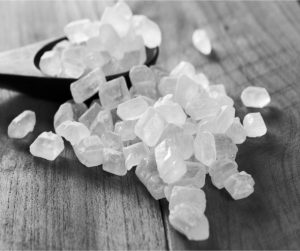
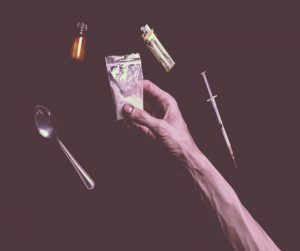
Methamphetamine is very rarely prescribed because of its addictive potential. But it is only given for patients with ADHD or obesity—both of which have safer alternative treatments, and so meth is rarely prescribed.Meth is often a white to light brown crystalline powder. It may also be found in clear crystals that look like broken pieces of ice or shards of glass. Meth also comes in liquid form.Recreational users sometimes snort, smoke, or inject the drug. If someone in your family is taking meth, you may find small bags of white powder or syringes. Also look for small pieces of crumpled aluminum foil, soda cans with a hole in the side, etc.But sometimes it is easier to notice behavioral changes in the user. Meth abusers will sometimes take the drug continuously for a long period of time in hopes of avoiding the “crash”. This is an unpleasant sensation that follows the meth high.Meth abusers do not sleep for long periods. They often lose their appetite because they always feel full. They may even lose weight drastically.You may notice them becoming unusually active, nervous, anxious, or paranoid. Some long-term users even become violent or aggressive due to the mental effects of meth.Repeated use will cause irregular heartbeat, frequent mood swings, violent behavior, confusion, and insomnia. [maxbutton id="3" ]
How to help your Addicted Loved One
Once you’ve spotted the signs of meth abuse, you need to help them look for an addiction treatment center nearby. Different rehab centers offer different programs, but they will generally create one that’s suitable for the patient’s specific condition.A combination of medical detox and behavioral therapy can help them get sober again if they really commit to getting better. Medical detox is the safest way to deal with withdrawal symptoms. Medical professionals will be able to keep track of the patient’s condition while gradually lowering their meth intake.On the other hand, behavioral therapy helps address the root cause of addictive behavior. Techniques like counseling, group therapy, family therapy, meditation, massage therapy, and other methods can tackle the emotional and mental effects of addiction.Look for an addiction treatment facility near you today and find out what programs they offer.

 In fact, in Ohio, they are suffering from addiction and crime as a result of opioid addiction. Despite the public’s awareness of the epidemic, so many Ohioans still die from drug overdoses. State data shows unintentional drug overdoses rose nearly 33 percent from 2016 to 2017, claiming the lives of more than 4,000 people. Click here for more information. Nationally, opioid overdose deaths began their gradual rise before the turn of the century; and in 2010, heroin overdoses began to spike. After 2014, synthetic drug overdoses skyrocketed and now are attributed to twice as many overdose deaths as opioids. Libbie Crawford of East Liverpool understands the tragedy of opioid abuse. Her father suffered from Post Traumatic Stress Disorder after serving in World War II. She said he committed suicide when she was just a little girl after becoming addicted to painkillers. And she said she fears for other struggling families who don't have treatment options. "We're going to lose an entire generation of people if we don't take care of this issue now," Crawford said. "The war on drugs has not helped. My definition of insanity is to do the same thing over and over again."
 Methamphetamine, often called
 Black has tried cannabis before turning into methamphetamine. This addiction has caused his family to fall apart which caused him so much loneliness. But now, he is trying his best to get back on his foot and re-establish his life. For anyone who needs help and wants to be helped it is very important to
 Just like an Irish dad who revealed how he was able to turn his struggle with heroin and cocaine addiction around to become a head chef. This kind of story serves as an inspiration to many that in spite of their addiction, there is always hope and help is available in so many ways-
  With this kind of problem, it affects the entire family especially the children as the mother plays a very crucial role in the family. It is also important to find the root cause of this problem why these women have put themselves into such a dilemma. This also calls for more